
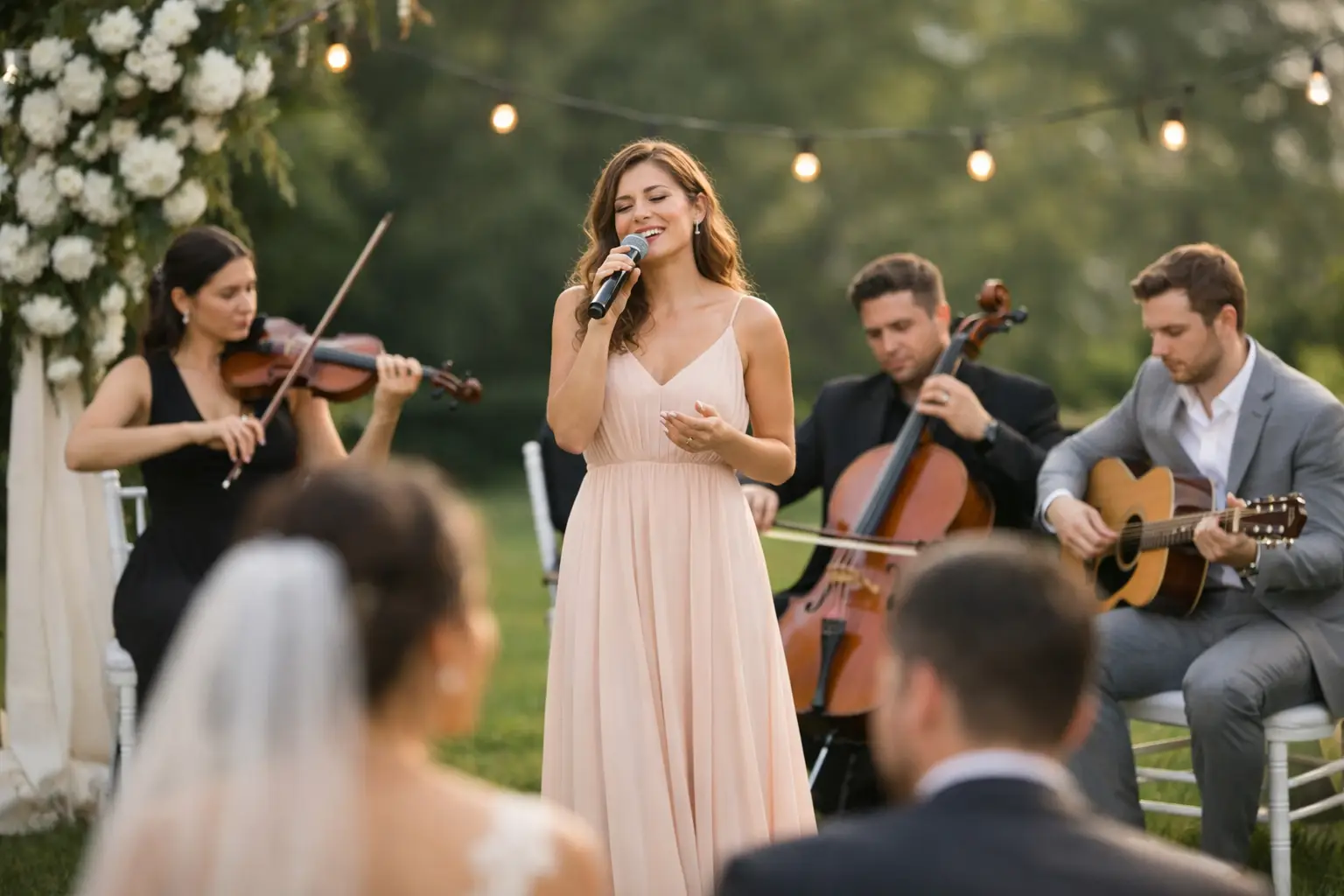
How to Choose Wedding Musicians
The fastest way to flatten a beautiful wedding is to treat the music like an afterthought. Couples spend months perfecting the venue, the menu, and the flowers, then book entertainment that looks decent on paper but never quite lifts the room. If you’re wondering how to choose wedding musicians, the real goal is not just filling time on a timeline. It’s creating a celebration that feels polished, personal, and unforgettable from the first note to the last dance.
Live music changes the emotional temperature of a wedding in a way playlists rarely can. The right musicians do more than perform songs. They read the room, shape momentum, and make key moments feel bigger, warmer, and more alive. That is why this decision deserves the same care as your venue search.
How to Choose Wedding Musicians for the Experience You Want
Start with the outcome, not the act. Many couples begin by saying they want a classy string quartet, a jazz ensemble, or a world-class wedding dance band. That can work, but it is smarter to ask what kind of atmosphere you want guests to feel at each stage of the day. A refined ceremony has different musical needs than a lively cocktail hour, and a black-tie reception has a very different energy from a rustic outdoor wedding with late-night singalongs.
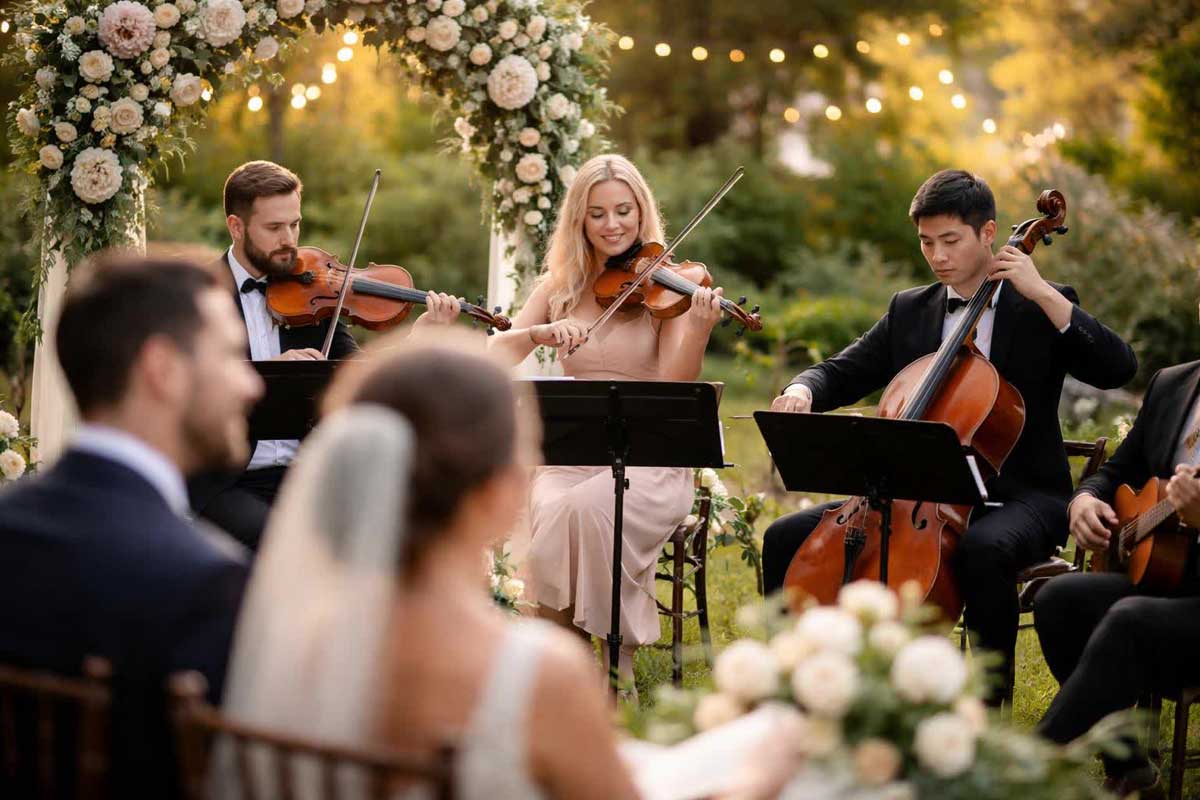
If your top priority is a packed dance floor, a high-energy live band with strong vocalists and real stage presence will usually outperform a smaller ensemble. If you want the ceremony to feel elegant and cinematic, strings or acoustic musicians may be the better fit. If your event needs versatility across multiple spaces and moods, a curated entertainment plan with more than one ensemble may make the biggest impact.
This is where many couples make a costly mistake. They book based on genre alone and overlook performance style. Two bands can play similar songs and deliver completely different results. One may feel polished, exciting, and elevated. The other may sound fine but lack the charisma and pacing that keeps guests engaged.
Decide What Matters Most Before You Compare Options
Before reaching out to musicians, get clear on your non-negotiables. That includes your budget, guest count, venue constraints, and overall wedding style. It also includes your tolerance for risk. For a luxury wedding reception or a high-visibility event, reliability is not a small detail. It is part of the product.
A few practical questions help narrow the field fast. Do you want music for the ceremony, cocktail hour, and reception, or only one portion of the day? Are you hoping for a specific first dance song or custom arrangements? Does your venue have a stage, sound limitations, or strict load-in times? Will your guest list respond better to Motown, current pop, classic rock, country, or a broad mix that crosses generations?
Once you know the answers, the right options become much easier to spot. Premium wedding musicians are not just selling talent. They are selling confidence, range, and the ability to execute under pressure.
Quick Checklist for Choosing Wedding Musicians
- Decide which parts of the wedding need live music: ceremony, cocktail hour, dinner, reception, or after-party.
- Match the musicians to the atmosphere you want, not just the genre you like.
- Consider your guest mix so the music appeals to multiple generations.
- Review true live performance footage before making a decision.
- Ask whether the musicians can handle announcements, transitions, and timing changes.
- Confirm what sound, lighting, staging, and production support are included.
- Make sure pricing, contracts, setup times, and backup plans are clearly explained.
Wedding Music Options by Part of the Day
| Wedding Moment | Best Music Fit | Why It Works |
|---|---|---|
| Ceremony | String quartet, solo violinist, acoustic guitar, or piano | Creates an elegant, romantic mood for the most meaningful moments. |
| Cocktail Hour | Jazz trio, acoustic duo, crooner, or light ensemble | Keeps the atmosphere polished and social without overpowering conversation. |
| Dinner | Soft jazz, piano, strings, or tasteful background vocals | Adds warmth and sophistication while allowing guests to relax and talk. |
| Reception Dancing | High-energy wedding band or dance band | Builds excitement, reads the crowd, and keeps the dance floor full. |
| After-Party | DJ, party band, or hybrid live music setup | Keeps the energy high for guests who want the celebration to continue. |
Your Guest Mix Should Shape Your Music Plan
A common planning instinct is to focus only on the couple’s personal taste. That matters, of course, but wedding entertainment works best when it also reflects the room. A reception with guests in their 20s, grandparents, colleagues, and family friends needs a wider musical strategy than a party with one tight age group.
The strongest wedding musicians know how to move across eras and styles without making the night feel disjointed. They understand when to go glamorous, when to go soulful, and when to bring the high-energy hits that get every table to the dance floor. If your wedding is meant to feel like an event, not just a dinner with music, adaptability matters. And that’s why bands like Rhinestone Rodeo and Party Echelon are in such high demand.
What to Look for When Choosing Wedding Musicians
Once you start reviewing options, focus on evidence. Promotional language is everywhere in the wedding world, so you need signs of real quality. Watch live performance footage, not just polished promo clips. A beautifully edited video can hide a lot. You want to see how the musicians actually carry a room, interact with guests, and sustain energy over time.
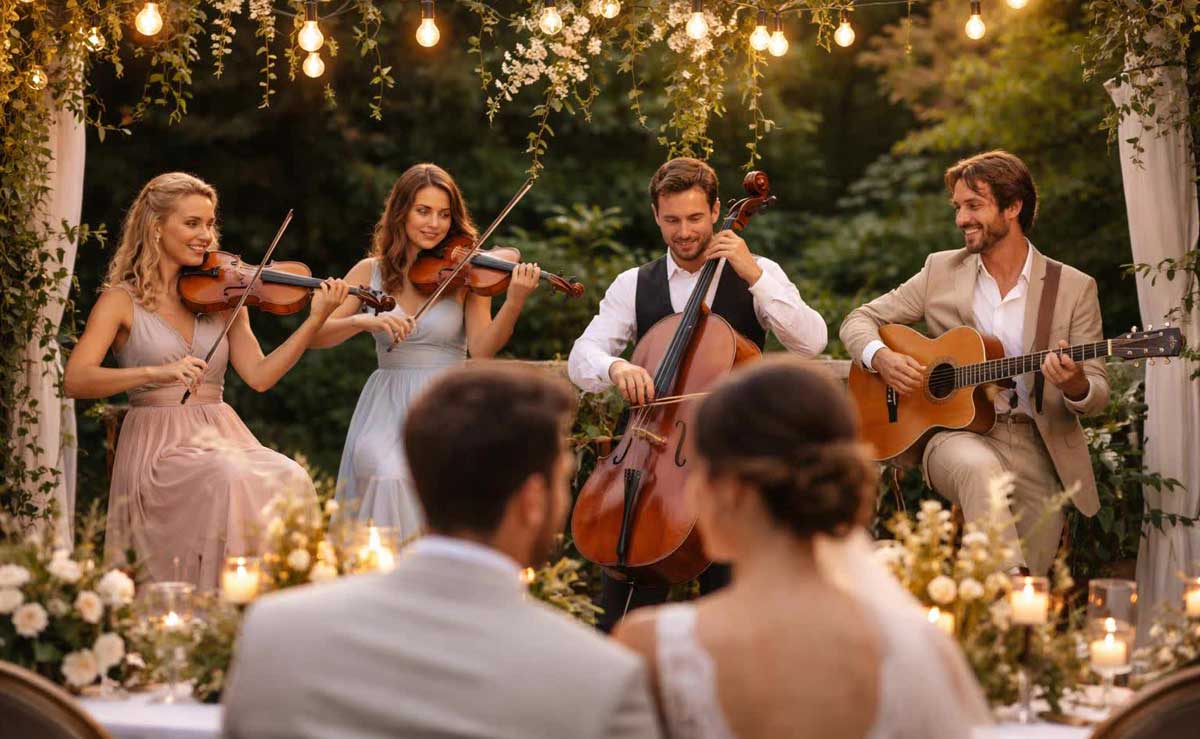
Listen for more than raw musical talent. Pay attention to lead vocals, transitions between songs, stage presence, crowd engagement, and overall professionalism. Great wedding musicians should sound exceptional, but they should also look the part. In a premium event setting, visual presentation matters. Guests notice whether a band feels refined and event-ready or casual and mismatched.
Experience with weddings specifically is another major factor. A talented club band is not automatically a great wedding band. Weddings involve announcements, music timeline coordination, emcee responsibilities, volume control, formal moments, and quick pivots when the schedule changes. The best wedding musicians are performers and event pros. A live wedding band like Red Hot Revolution is all of these things and more, which is why they’re the go-to band for high-profile celebrity weddings and Fortune 500 corporate events.
Ask about Customization, Not Just Song Lists
A long repertoire is valuable, but customization is where high-end entertainment starts to stand apart. Ask whether the musicians can learn a special song, tailor sets to your crowd, adjust the vibe by the hour, or coordinate with planners and vendors on timing.
If you want your reception to feel bespoke rather than generic, flexibility is essential. That does not mean every request is realistic. Some arrangements require extra rehearsal, additional players, or production changes. But a premium act should offer thoughtful ways to personalize the experience without losing performance quality.
Production Can Change Everything
When couples think about musicians, they sometimes forget the full entertainment package. Sound quality, lighting, staging, and room presentation all affect how the performance lands. An elite band with poor audio support can feel underwhelming. A strong act paired with professional production can feel absolutely electric.
For larger receptions, luxury venues, and high-budget celebrations, ask what production options are available. Enhanced lighting, multiple vocalists, horn sections, and elevated staging can transform a reception from pleasant to spectacular. It depends on your priorities, your venue, and your budget, but these details often create the wow factor people remember.
Budgeting for Wedding Music Without Regret
Price matters, but value matters more. One of the biggest mistakes couples make is comparing entertainment solely by number. Wedding music is not a commodity. A low-priced group may save money upfront and cost you energy, professionalism, and peace of mind on the day itself.
That does not mean the most expensive option is automatically the best. It means you should understand what is included. Are you paying for top-tier musicians, a deep song list, an emcee, professional sound equipment, lighting, planning support, and event coordination? Or are you paying for a basic set with limited flexibility?
If your reception is the centerpiece of your celebration, entertainment deserves meaningful investment. Guests may not remember every floral detail, but they will remember whether the night felt flat or absolutely incredible.
Red Flags to Watch Before You Book
If communication is slow during the sales process, expect it to stay slow later. If pricing is vague, contracts are thin, or answers about logistics feel fuzzy, pay attention. Premium service should feel organized from the beginning.
Be cautious if there is little true live footage, no clear information about who will actually perform, or no explanation of backup plans for illness or emergencies. These are not awkward questions. They are standard questions for an important event.
It is also worth asking whether the musicians regularly perform together or are assembled ad hoc. Some pickup groups are excellent, but chemistry matters. Established ensembles tend to be tighter, more polished, and more dependable under pressure.
Should You Book a Band, an Ensemble, or Multiple Acts?
It depends on the shape of your day. For some weddings, one exceptional reception band handles the most important portion of the event and delivers everything needed. For others, the most elevated approach is layered: strings for the ceremony, jazz for cocktails, and a high-energy dance band for the reception.
This kind of progression feels luxurious because it guides guests through distinct moods. Each part of the celebration gets its own soundtrack, and the overall experience feels intentional rather than one-note. If your budget allows for it, this approach often creates the richest result.
Band vs Ensemble vs Multiple Acts
| Option | Best For | What to Consider |
|---|---|---|
| Reception Band | Couples who want a packed dance floor and a high-energy party. | Make sure the band has strong vocals, stage presence, emcee ability, and wedding experience. |
| Ceremony or Cocktail Ensemble | Couples who want elegance, atmosphere, and refined background music. | Confirm the ensemble fits the venue, guest count, and mood of that specific part of the day. |
| Multiple Acts | Luxury weddings or events with several distinct moments and locations. | This creates a more customized experience, but requires careful planning and coordination. |
| Hybrid Entertainment Plan | Couples who want live music plus flexibility for special requests and late-night dancing. | Ask how the musicians, DJ, sound system, and timeline will work together. |
For couples who want expert guidance instead of guessing through dozens of options, working with a specialized agency can be the smartest move. A premium source such as Wedding Music Bands can help match the style, scale, and production level to your event so you are not left trying to decode quality from a few videos and a price sheet.
The right musicians do not simply perform at your wedding. They elevate it. Choose the act that fits your crowd, your standards, and the kind of night you want people talking about long after the last song ends.
Frequently Asked Questions About Choosing Wedding Musicians
How far in advance should we book wedding musicians?
For the best selection, it is smart to book wedding musicians as early as possible, especially if your wedding falls on a popular weekend or during peak wedding season. High-demand bands, string groups, DJs, and specialty musicians can book many months in advance.
Should we choose musicians based on our favorite music or our guests?
Your personal taste should absolutely matter, but the best wedding music plan also considers your guests. A great act can balance your favorite styles with songs that appeal to different ages, personalities, and energy levels throughout the celebration.
Is a live wedding band better than a DJ?
It depends on the type of experience you want. A live wedding band can create excitement, visual energy, and a concert-like atmosphere, while a DJ can offer a huge range of songs and flexibility. Some weddings benefit from using both.
What questions should we ask before hiring wedding musicians?
Ask about live performance experience, emcee services, sound equipment, lighting, setup time, contracts, backup plans, and whether the musicians regularly perform together. These details help reveal whether the act is truly wedding-ready.
Can wedding musicians learn a special song for our ceremony or first dance?
Most professional wedding musicians can learn 1-3 special songs, but it is best to ask early. Some songs may require custom arrangements, extra rehearsal time, or additional musicians, so the sooner you discuss it, the better.
