
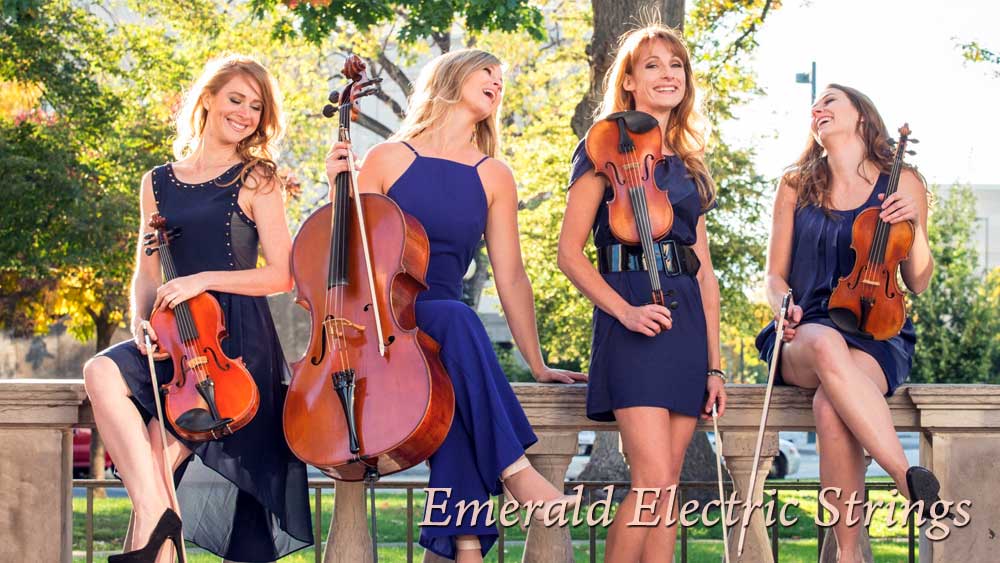
Top Ceremony Musicians for Weddings to Book
The moment the doors open is not the time for an ordinary playlist. The top ceremony musicians for weddings create the feeling your guests will remember before the first toast is poured: elegant, emotional, and completely yours. From the first guest arrival through the recessional, live music gives every transition a sense of occasion that recorded tracks simply cannot match.
For couples planning a polished celebration, the right ceremony ensemble does more than play beautiful songs. It sets the standard for the entire day. A refined string quartet signals classic luxury. A soulful vocalist and guitarist can turn a modern love song into a deeply personal statement. A keyboardist and acoustic guitar duo brings warmth and intimacy to an outdoor ceremony without overwhelming the setting, which is also true for a talented guitar duo.
The best choice depends on your venue, guest count, ceremony style, and the atmosphere you want to create. Here is how to choose performers who sound exceptional, look the part, and make your walk down the aisle feel as extraordinary as it should.
What Top Ceremony Musicians for Weddings Do Differently
Premium ceremony musicians are event professionals first and performers second. They understand that a wedding ceremony runs on precise timing, subtle cues, and quiet confidence. They know when to begin the processional, how to gracefully fill an unexpected pause, and how to adjust their volume when a celebrant or officiant begins speaking.
That level of experience matters. A gorgeous performance is only part of the job. The ensemble should arrive prepared, coordinate with your planner and venue team, dress appropriately for the setting, and deliver clean, beautiful sound without creating another task for you or your family.
The strongest musicians also bring range. Your ceremony may call for Bach during guest seating, cinematic music for the wedding party, and an acoustic version of a favorite pop song for your entrance. A versatile, high-caliber act can shape those moments into one cohesive musical story rather than making the ceremony feel like a collection of unrelated song choices.
Choose the Sound That Fits Your Celebration
String Quartet: Timeless, Grand, and Versatile
A string quartet remains one of the most requested choices for upscale weddings because it brings instant elegance to nearly any venue. Violins, viola, and cello have enough presence for a large ballroom, historic estate, country club lawn, or cathedral while still feeling graceful and romantic.
Classical repertoire is a natural fit, but one of today’s best string ensembles also performs sophisticated arrangements of pop, rock, R&B, film scores, and contemporary love songs. That flexibility gives couples the best of both worlds: a formal presentation with music that feels personal.
A quartet is especially effective for ceremonies with 100 or more guests, expansive outdoor spaces, or a formal dress code. It is also a smart choice when you want the music to carry through cocktail hour, creating an elevated flow from one part of the celebration to the next.
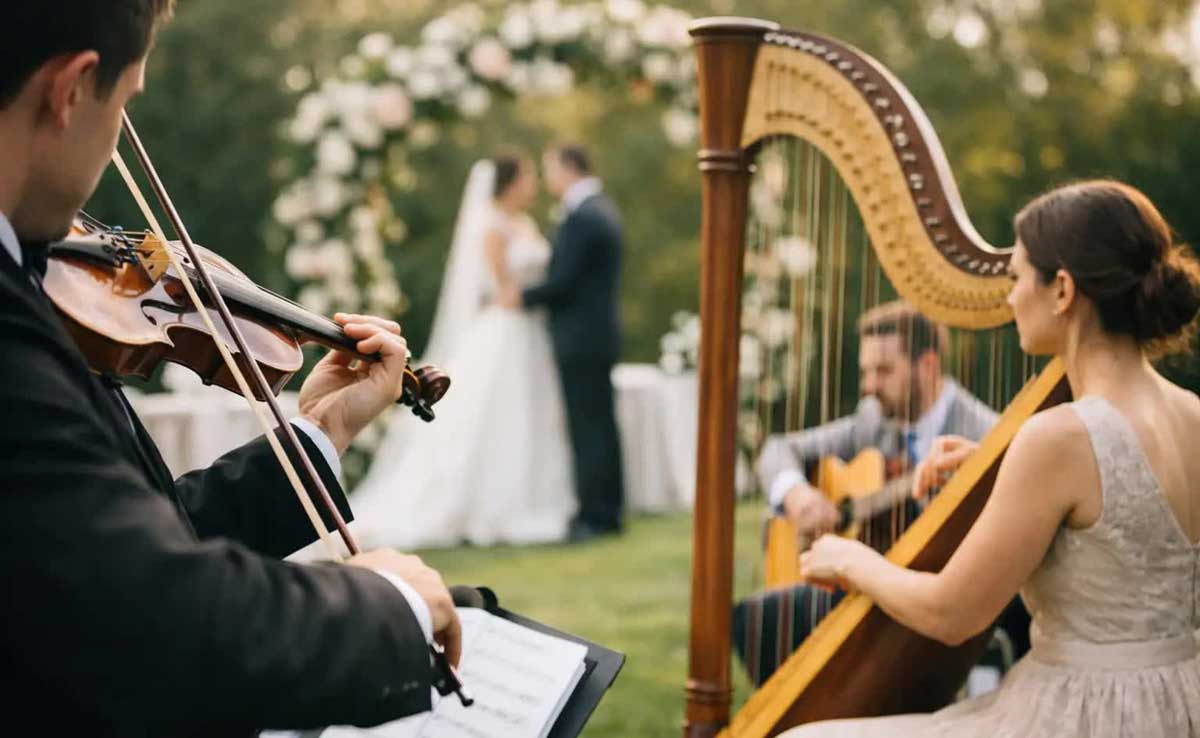
String Trio or Duo: Elegant With a More Intimate Feel
A string trio delivers much of the same beauty as a quartet with a slightly lighter sound and footprint. It can be an excellent fit for smaller ceremonies, private homes, garden settings, and venues where space is limited. A violin and cello duo is another refined option for couples who want live strings without the scale of a full ensemble.
The trade-off is fullness. A smaller group may not have the same sonic impact in a large, windy outdoor ceremony or a cavernous space. When the guest list is substantial, amplification and smart placement become more important. The right agency or entertainment partner will help determine whether a smaller ensemble can deliver the presence your venue requires.
Piano and Vocalist: Personal, Romantic, and Emotionally Direct
Few formats make lyrics land like a talented wedding vocalist accompanied by piano. This option is ideal for couples who want a meaningful song to be heard and felt during the entrance, unity ceremony, or recessional. A world-class singer can transform a well-known song into a breathtaking live moment without making the ceremony feel like a concert.
This format works beautifully indoors, at luxury hotels, and in intimate settings where the natural acoustics support a piano. For outdoor weddings, a keyboard setup and professional sound system can provide the same polished effect. The key is restraint: ceremony music should elevate the moment, not compete with it.
Acoustic Guitar and Vocalist: Warm, Modern, and Effortless
For coastal weddings, vineyard ceremonies, private estates, and stylish destination events, an acoustic guitar and vocalist can feel relaxed without becoming casual. The sound is warm, current, and ideal for couples drawn to indie, folk, country, or stripped-down pop arrangements.
An exceptional acoustic act brings polish to this format. The difference between background music and a standout ceremony performance is the vocalist’s control, the quality of the arrangements, and the ability to read the room. If your ceremony is outdoors, confirm that the act provides appropriate audio support. Wind, waves, and guest conversation can easily swallow an unamplified performance.
Harp, Classical Guitar, or Specialty Ensembles: Distinctive and Memorable
A harpist creates a luminous, romantic atmosphere that feels especially at home in gardens, formal courtyards, and luxury indoor venues. Classical guitar offers a sophisticated, sunlit sound for Spanish, Mediterranean, and destination-inspired celebrations. Specialty ensembles, such as a jazz trio, brass group, or cultural music ensemble, can be the perfect choice when heritage and personality are central to the day.
These options are most successful when they feel connected to the overall wedding design. A specialty act should not be selected simply because it is unusual. It should enhance the setting, honor your story, or create the exact energy you want guests to feel as they arrive.
Ceremony Musician Types at a Glance
| Ensemble Type | Best Guest Count | Ideal Venue Fit | Atmosphere | Sound & Amplification | Cocktail-Hour Continuity |
|---|---|---|---|---|---|
| String Quartet | 75–250+ | Churches, ballrooms, estates, large gardens | Elegant, timeless, formal | Strong natural projection; mics help outdoors | Excellent — seamless classical-to-modern set |
| String Trio / Duo | 30–150 | Mid-size indoor & covered outdoor | Refined but softer, intimate | Moderate; amplification recommended outdoors | Very good — same repertoire, smaller footprint |
| Piano & Vocalist | 40–200 | Venues with a piano or room for a keyboard | Emotional, lyric-driven, romantic | Needs power/PA; vocals require mics | Excellent — natural shift to lounge set |
| Acoustic Guitar & Vocalist | 20–150 | Beaches, gardens, barns, rustic venues | Warm, relaxed, contemporary | Low–moderate; small PA for larger spaces | Excellent — easygoing vibe carries over |
| Harp / Classical Guitar / Specialty | 20–150 | Intimate, outdoor, or themed venues | Ethereal, distinctive, atmospheric | Soft; needs mics in wind or large crowds | Good — best for calm, ambient settings |
Build a Ceremony Music Plan, Not Just a Song List
A polished ceremony usually includes music for guest arrival, family seating, the wedding party processional, the couple’s entrance, a possible unity moment, and the recessional. You do not need a different song for every second, but you do need a plan that gives each major transition its own emotional lift.
The 5 Ceremony Moments Your Music Must Cover
- Guest arrival / prelude: Plan 15–30 minutes of ambient, volume-flexible music (about 4–8 songs) as guests are seated. This is where your musicians warm up the room.
- Processional (wedding party): A steady, walkable tempo for parents, attendants, and the officiant taking their places. Larger parties may need a second song.
- The entrance (the couple): A distinct, elevated piece that signals “here they come” and cues guests to stand.
- Unity moment / interlude: Covers a candle, sand, handfasting ritual, reading, or signing. Choose a piece long enough to fill an unpredictable window.
- Recessional: The celebratory exit. Upbeat, joyful, and paced for the couple plus the full wedding party walking back out.
Start with your entrance. Ask yourselves whether you want it to feel sweeping and traditional, intimate and tender, cinematic and dramatic, or upbeat and joyful. That answer often guides every other selection. Your wedding party processional can set anticipation, while the recessional can release it with something celebratory and bright.
Give your musicians a short list of songs you genuinely love, along with a few styles you do not want. Then trust experienced performers to recommend what will work live. A recording may be meaningful, but its lyrics, tempo, or arrangement might not suit a processional. Great musicians can suggest an instrumental version, a shortened arrangement, or a better-paced alternative that preserves the sentiment.
Questions Worth Asking Before You Book
10 Questions to Ask Before You Book a Ceremony Musician
- Are you available on my date — and do you hold the date with a deposit?
- Will the musicians I hear be the exact players performing at my wedding?
- Will you learn or arrange custom songs, and is there a fee for custom arrangements?
- What is your setup — acoustic, or do you need power and space for amplification?
- Can you play outdoors, and what is your policy for heat, wind, and rain?
- How do you handle timing cues if the processional runs long or short?
- What do you require from the venue — chairs, shade, water bottles, a level surface, load-in time?
- Can you continue into cocktail hour, and is that a package or a separate booking?
- What is your total cost including travel, overtime, and deposit?
- Do you regularly perform at weddings — do you have a lot of wedding experience?
Before selecting ceremony musicians, ask whether they regularly perform weddings and how they handle timing changes. Confirm what is included in their setup, whether amplification is available, and how they coordinate with your planner, officiant, and venue. If the ceremony is outdoors, ask about backup plans for heat, wind, rain, and power access.
You should also ask about repertoire and custom requests. Some ensembles can arrange a special song for your entrance with advance notice, while others work from an established song list. Neither approach is automatically better. What matters is choosing a team whose sound and process fit your priorities.
Finally, consider continuity. Booking ceremony musicians who can also perform during cocktail hour creates a more complete guest experience and makes the investment work harder. Live strings, jazz, or acoustic music during cocktails keeps the energy elevated while your reception band prepares to take over the night.
Make the First Moment Feel Like the Main Event
Your ceremony is not a waiting room before the reception. It is the heart of the day, and the music should meet that moment with confidence, beauty, and genuine feeling. Whether you choose a world-class string quartet, a captivating vocalist, or an acoustic act with effortless style, prioritize musicians who bring both exceptional talent and flawless event awareness.
At Wedding Music Bands, the right ceremony act is selected not only for its sound, but for its ability to make the room go still, make the entrance feel magical, and set up an unforgettable celebration from the very first note. Choose performers who understand that your aisle is a stage for one of life’s biggest moments – and let them make it extraordinary.
Wedding Ceremony Music FAQs
How many songs do we need for a wedding ceremony?
Most couples need four to six featured selections: one for the wedding party processional, one for the main entrance, an optional piece for a unity moment or signing, and one for the recessional, plus any music for seating parents or honored guests. Musicians will also cover a 15–30 minute prelude as guests arrive. Religious and cultural ceremonies may call for additional selections, while a short ceremony may use only three or four featured songs.
Do ceremony musicians need amplification?
Not always. A string quartet often carries well in a quiet chapel or ballroom, while a solo guitarist, harpist, or vocalist may need amplification in the same space. Outdoor ceremonies are more likely to require microphones or speakers because sound disperses and competes with wind, traffic, and conversation. Ask your musicians to assess the venue, guest count, seating layout, and power access rather than deciding from guest count alone.
Can the ceremony musicians also play during cocktail hour?
Usually, yes — and it can create a smoother guest experience while being more economical than hiring a second act. Confirm whether they can change repertoire, relocate quickly, and provide sound equipment in the cocktail-hour space. Your contract should also address performance length, travel between locations, setup time, breaks, and any fee for adding amplification.
