
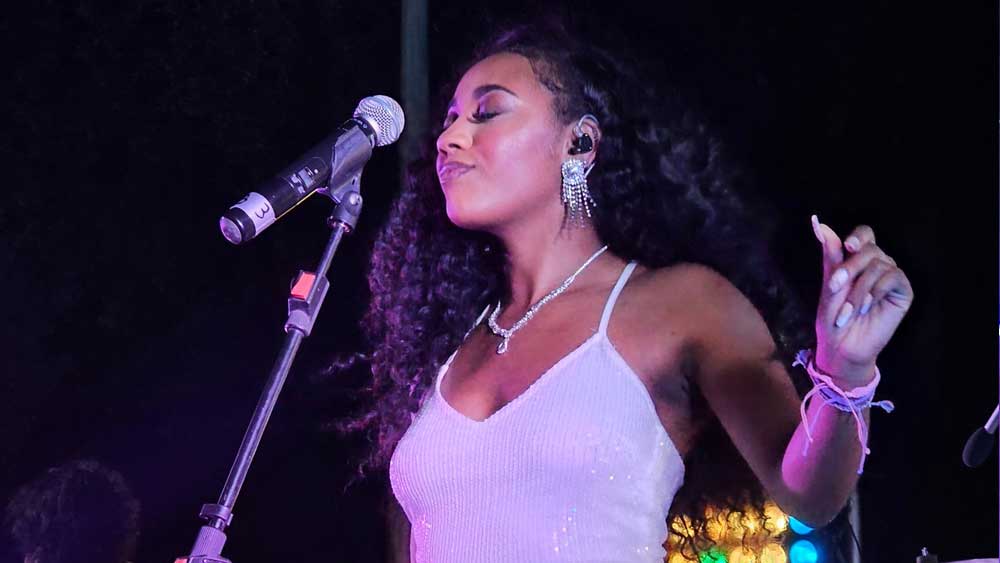
How to Plan Live Music Wedding Flow
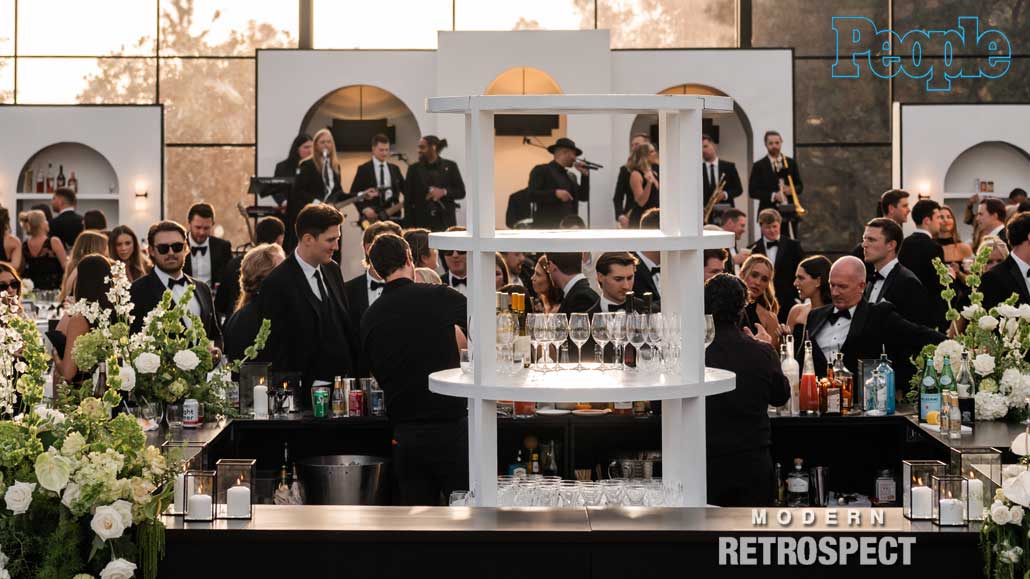
The moment a wedding seems to dip in excitement has nothing to do with the flowers, the food or even who was invited. It has to do with how the energy was lost in the transitions between each segment of the wedding. If you want your big day to be as exciting, seamless and memorable as possible from start to finish, not only do you have to think carefully about live music wedding flow, you have to make sure you’re hiring a top wedding live band from Wedding Music Bands. And Modern Retrospect is one of the best bands on the planet!
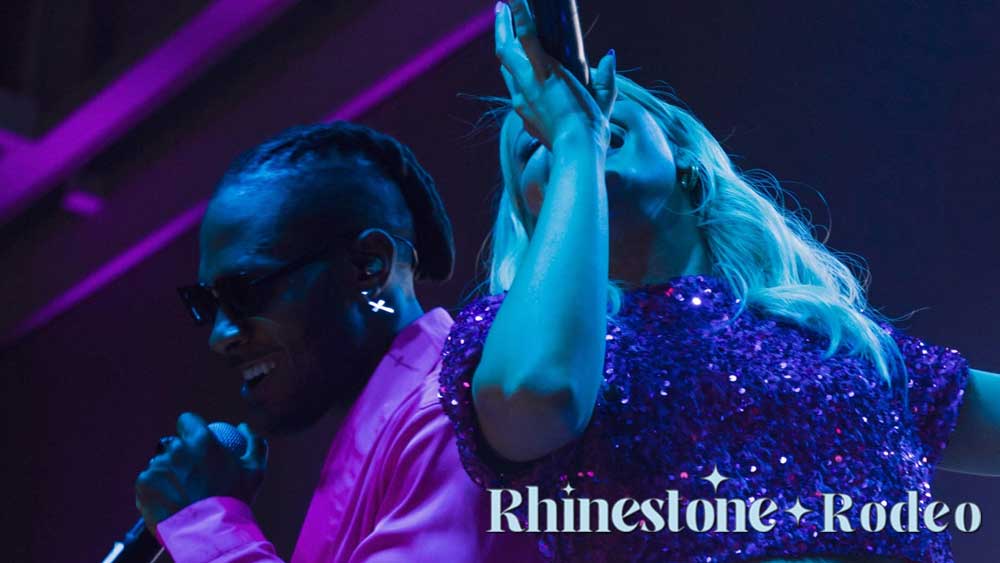
Music fills space, certainly, but good music – live, performing band/ensemble type music – adds mood, atmosphere and pacing. A band can make or break the feel of an event; a great band like Rhinestone Rodeo can make a wedding (or any ceremony) feel like a movie, make a cocktail party feel classy, make a reception feel lively, but it has to be done right, to really feel seamless and well-planned and perfectly timed.
Why Live Music Wedding Flow Matters So Much
Flow is the thing that people don’t realize is so important until they experience it. If you’re paying big money for a wedding, you don’t want it to feel choppy. You don’t want it to feel like you’re being herded from one event to the next; you want to feel guided. A great DJ can be a game changer in that aspect.
When planned properly, the transitions of the music are seamless. The guests arrive, and there’s a tasteful vibe for the pre-ceremony. Then there’s an emotional momentum that carries through the ceremony. The music transitions seamlessly to the cocktail hour in style, and when the reception begins, everyone is set for a fantastic time. The dance floor opens with tremendous energy already built, and it’s not just trying to start from scratch.
This is where a high caliber, live performance group like Red Hot Revolution differs from the rest. They know how to read a room and how to properly deliver the right tone, at the right time. That’s not entertainment, that’s event design. Any musician that’s doing weddings regularly will know how to properly pace the event.

Start by Planning the Emotional Arc
The smartest way to approach the flow of a wedding with live music is to not think about it like a schedule, but instead think about it like an album. Your wedding is an album; it has a certain flow which builds excitement, goes emotional, builds and finishes on a high.
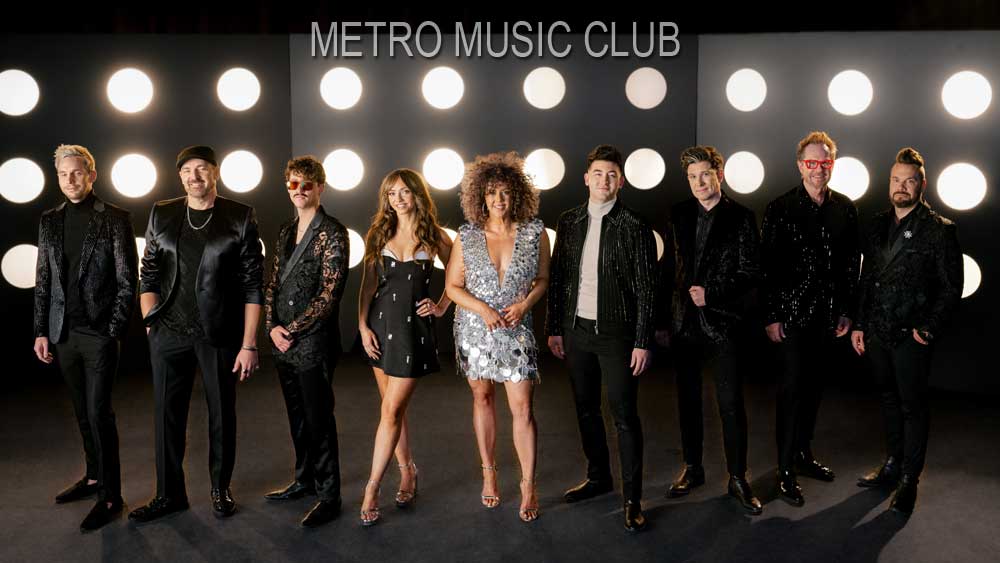
If the ceremony is too casual, it detracts from the moment. If cocktail is too loud or energetic, it’s pushy for people trying to mingle. If dinner is too long and drawn out with no lift, it cools down the room and people are less likely to dance. If the dance set is too up front and too hard, people won’t want to dance. For this reason it’s important to hire an experienced live wedding dance band like Metro Music Club.
Every part of the wedding should be one that leads into the next. People don’t understand that having great flow doesn’t mean having everything at one level of intensity; it’s more about having the right mood and building it in the right order.
Common Wedding Music Flow Mistakes to Avoid
- If you book late for entertainment you’ll regret it when all the good bands are already booked. If your wedding is planned during the peak season, it’s a very popular time and a lot of the entertainment will be booked up.
- Not checking the rules on sound at the venue until after you sign on the dotted line. You want to have a dance floor and people dancing, but some venues have a decibel limiter or require that the music be stopped by a certain time.
- Having time between each part of the event where nothing is happening. It makes the entire event seem unorganized when there’s nothing but talking for the next part of the event while they’re setting up.
- Playing music that’s either too loud for conversation, or puts everybody to sleep (dinner music is tough). People like having some music in the background, but nothing so loud that they can’t talk or so mellow that the room loses energy.
- Front loading all the high energy, upbeat dance stuff early in the party when everyone isn’t really in the groove to dance yet, and trying to wind everyone down with slower songs later in the party, when everyone is really getting into it.
- Do not kill the energy: When the dance floor is packed and people are having a great time, the wedding planner decides that now is a good time to do some type of time-consuming, energy-killing ritual. This could be the bouquet toss that was not done earlier, or a toast.
- The attempt to micromanage the list of songs to be played and taking away from the band’s ability to gauge the crowd and respond in real time. This is another one that would be very noticeable by even a casual fan of the band.
- Only playing the music you like or forgetting that you have multiple generations at your reception. If you’re over 30 there’s nothing you’ll like less than dance floors filled with rap and club music.
- The wrong act for the size of the room. You can be too big for a wedding (a big band when a solo singer is called for, for example) or you can be too small (a solo singer when a big band is called for, for example). It’s hard to hear a small act in a large room.
- Forgetting to take into consideration the power requirements of each act, how big of a stage they need, and how long it’ll take them to load in. This either causes delays or the band plugs in and the breakers trip, or they can’t fit their drums on stage.
- Not having a plan for how to end the night. Fading out is such a lame way to end things; guests prefer a great last song that has people talking as they make their way home. It’s the last thing they’ll remember from the night (other than the first dance, but that’s another post).
How to Plan Live Music Wedding Flow By Event Phase
Guest Arrival and Pre-Ceremony
This is your first impression and most couples don’t give enough thought about this part of the wedding. Having soft music to greet your guests will immediately set the tone that this is not just any ordinary event. A string quartet is always elegant and classy, or you can do an acoustic or smooth jazz setup.
The idea is to create atmosphere. You want people to feel welcome, relaxed, and to feel that something special is going to occur. The music is just to set the mood, you generally don’t want it to be so loud that it’s drawing attention to itself.
Ceremony
Music for the ceremony is specific. It has to be cued correctly, timed correctly, and most importantly, it must be played to elicit a certain emotion. This is where having live musicians can truly elevate your ceremony: the processional, recessional and any custom musical moments that you may have that are significant to your family or culture.
The biggest mistake you can make is choosing the music without considering the rest of the entrance. You want the walk down the aisle, the time in between wedding party entrances, and the exit music to all coordinate well together. One of the greatest benefits of a professional group is they can adjust the tempo and length on the fly.
Cocktail Hour
Cocktail hour is when the wedding starts to socially open up. This is when people are greeting each other, ordering drinks, and really taking in the setting. The music for this time should be stylish and upbeat but not overpowering the conversations.
A cocktail party is the time for some nice jazz bands, acoustic bands, and nice dressed-up pop music with some complexity. This is not the time to have the most energetic band you can get; this is the transition from emotional to party time.
Dinner and Formalities
You’ll find that couples don’t think about the flow of the reception way too often. So much thought goes into the dance set that they forget about dinner. The music during dinner is really important to keep the energy up while people are eating and listening to speeches, etc.
This is where having a good band comes in. A good band will know how to provide background to keep the room warm while “spotlighting” for intros, toasts, first dances, etc. If they’re also acting as emcees for the night (or have someone working with your planner), they’ll be able to make it look that much more professional.
The order of things is also important – some people prefer to do first dances early in the wedding to get the emotional core of the wedding out of the way. Some people prefer to do dances with parents after dinner. It really depends on how many guests you have, whether you’re doing plated or family style, and how quickly you want to get the party started.
Dance Floor Launch
This is the point in the night where the dance floor gets filled. It doesn’t just fill on its own; it’s a combination of getting a good crowd, the night being far enough along that people are loosened up, and your band knowing which songs to play to get people moving.
The best thing to do is start off with a song that everyone will know, that isn’t aggressive and is more of an upbeat, happy song. You aren’t demanding that the guests come out; you’re inviting them. Once you have a good amount of people out, you can start ramping up the songs.
This is where the importance of flow comes into play though. You can pick the best song in the world, but if you play it at the wrong time, it can totally kill the momentum of your set. The best wedding bands in the world really know how to string moments together and build, and when to dip so the crowd can reset for another build.
Late-Night Finish
It’s important to remember that not everyone wants to end their wedding the same way. Some people want a big finale anthem, some people want to end their wedding with a trendy, happy song to send people out of the wedding happy and not beaten down. It depends on your crowd.
If the majority of the guest list is younger, then yes, you go full throttle on the last set. If it’s a mixed bag and it’s a luxury wedding, you might opt for a last set that isn’t necessarily mellow, but isn’t super over-the-top either. The idea is to end with a bang, not just run out of time.
Match the Entertainment to the Space and Schedule
It doesn’t matter if you hire the best band in the world, if everything is working against you for an event. The layout of the room, loading in, sound restrictions, moving from room to room, all of these things have an impact on the music flow for an event.
If you’re having each portion of the wedding in a different location, will you need multiple music setups? If your venue has strict rules on how much noise is allowed, your band/DJ will want to know this early on so they can plan their performance accordingly.
This is why you need to pay for premium entertainment. The good DJs and bands aren’t just people that come and play. They’re going to work with you to develop a format for the wedding that’ll fit what you want, the venue, etc.
Build Around Transitions, Not Just Performances
The biggest thing that people overlook when planning entertainment for their wedding is what’s happening in the gaps between the big events. Your guests will notice if there’s a gap after the ceremony, or a gap before introductions, or a gap before the dance floor opens.
Part of what makes a wedding flow so well is the ability to have a seamless transition. This could be live music playing as you’re moving, a bandleader getting the crowd hyped for the next leg of their experience, or even something as simple as production cues during the dinner to dance transition.
Hiring a luxury band is important for the upscale weddings as you can imagine, everything is expected to be slick. The luxury is not necessarily in having more elements. It’s more in having less elements that leave pauses.
Live Music Wedding Flow Planning Checklist
- Map your full timeline. The first thing you want to do is map out an exact timeline of when you want everything to happen, and then work on music for each section. You essentially need music for: Arrival, Ceremony, Recessional, Cocktails, Entrance for dinner, Speeches, First Dance, Dance with Parents (if you’re doing them), Getting the dance floor started, and then Send-off.
- Make sure you’re getting the right musicians for each part of the wedding. For example, a string trio would be wonderful for a ceremony, but probably not enough for a lively cocktail hour, much less the reception.
- Are you looking for a one act or multiple act band? Some couples choose to have a few different acts. For example, an acoustic band for the ceremony, a jazz band for the cocktail hour and then a dance band for the reception. Wedding Music Bands can provide multiple acts or just the one – it’s up to you!
- Pick your key songs first! These are the songs that you can’t be flexible on. You need to decide on your processional song, recessional song, first dance song (and parent dance songs, if you’re doing those) and the last song of the night first.
- Factor in the time it takes for the band(s) to set up and sound check. For a full band, you’re looking at 60-120 minutes to set up for sound check, and if you’re trying to get performers to set up in different spaces, you need to factor that in.
- Think about the ‘dead zones’ – When guests first arrive, when you’re emptying and resetting rooms for the next group and during band/act breaks, you need to have something planned for these times, whether it’s a playlist, DJ or acoustic acts.
- Have the band take strategic breaks. Ask them to take their breaks during dinner service, speeches and cake cutting. Have the DJ/prepared CD play music during these times. The songs should be carefully selected to maintain a positive atmosphere during the reception.
- Make three lists of songs: a must-play list, a play-if-you-can list, and a do-not-play list. The must-play and do-not-play lists should be short, and it’s the band’s job to read the room to make sure they’re playing the right songs at the right time.
- When you’re looking at venues ask a lot of questions about their sound. Are there decibel limits? Is there a sound limiter on the system? What are their curfew rules? How much power can we get? etc….
- Play the music at the appropriate volume for the activity at hand. Dinner music should be low enough to allow conversation to easily take place. People are unlikely to dance if you’re not playing the music loud enough to dance to.
- The final run of show should be shared with ALL of your vendors. There should be no confusion between what your planner, venue, photographer, video, and catering is supposed to be doing and when – they should all be working off of the same timeline.
Personalization Matters, But Clarity Matters More
I know a lot of couples want to work in some of their favorite songs, or songs that are important to their culture, or want a few changes in genre during the night. Done in a bare minimum and when it makes sense to the event, this can be fantastic. But this is where things can go wrong, when the entertainment plan becomes overly micromanaged.
You can definitely have a wedding that’s elegant and classy and also have a wildly fun party. But the choices should still feel cohesive. If your ceremony is very timeless and elegant, cocktail hour is classic jazz, and then the dance floor suddenly jumps into a completely mismatched tone, the evening can feel less organized.
Live music: Having a plan that’s specific to you, yet still is somewhat cohesive, is the key. This is where having a team of experts is so crucial. A proven entertainment team will help you stay true to yourselves but also help you avoid splitting the celebration in to too many different vibes!
Work With Musicians Who Understand Weddings, Not Just Music
There’s a huge difference between a talented band and a proven wedding band. Great wedding entertainment requires musicianship, yes, but also timing, adaptability, stage presence, communication, and the ability to serve the room.
This is why couples/planners that are looking for the best possible experience at their event seek out bands that have experience at these types of events. The bands at these events aren’t just any vendor. They’re a key part of the experience for all of the guests.
When you go for a high-end wedding band offered by Wedding Music Bands, you aren’t just getting a group of guys who can play instruments, you’re getting a group of performers who know how to bring the excitement and energy, and who know how to appeal to a more sophisticated crowd!
When you approach your entertainment selection this way, not only will your wedding day sound better, you’ll feel better about it from start to finish. And that’s all that your guests are going to remember about it, how it made them feel.
Frequently Asked Questions
How far in advance should we book a band or other musicians?
For popular dates – i.e. Saturdays in the middle of summer – main band/entertainment act should be booking 9 to 18 months in advance. Some of the popular acts will be booked even earlier than this. Ceremony and cocktail acts can be booked 6 to 12 months in advance, but the earlier the better if you have a certain style of music that you’re looking for. Once you have the venue and date, music is one of the first things to book – along with photography and catering.
Do we really want to get a live band? A DJ? Both?
Depends on your budget and what you’re looking for. A band will give you a more dynamic experience, while a DJ will have a larger library of songs and can mix tracks together and usually is cheaper than a band (bands also require more space and electrical). Some couples also do a mix of both – you can have a string band trio play for the ceremony and during cocktails and a band/DJ (you can sometimes have a DJ help fill in during band breaks as well) for the party. Regardless of what you go for, you want to have one person making all the announcements and guiding the flow of the night.
Does the venue have a sound policy we need to abide by?
Make sure you ask the venue about noise ordinances/curfew (amplified music has to stop at 10 or 11 at many venues), decibel limiters (many venues will automatically cut power if the music gets above a certain volume – this is a major problem if you want a full band), and power/space for the band. If you have an early curfew, you may need to start the dancing earlier or have the band do an acoustic after-party to end the night on a high.
