
What Music for a Wedding Ceremony Works Best?
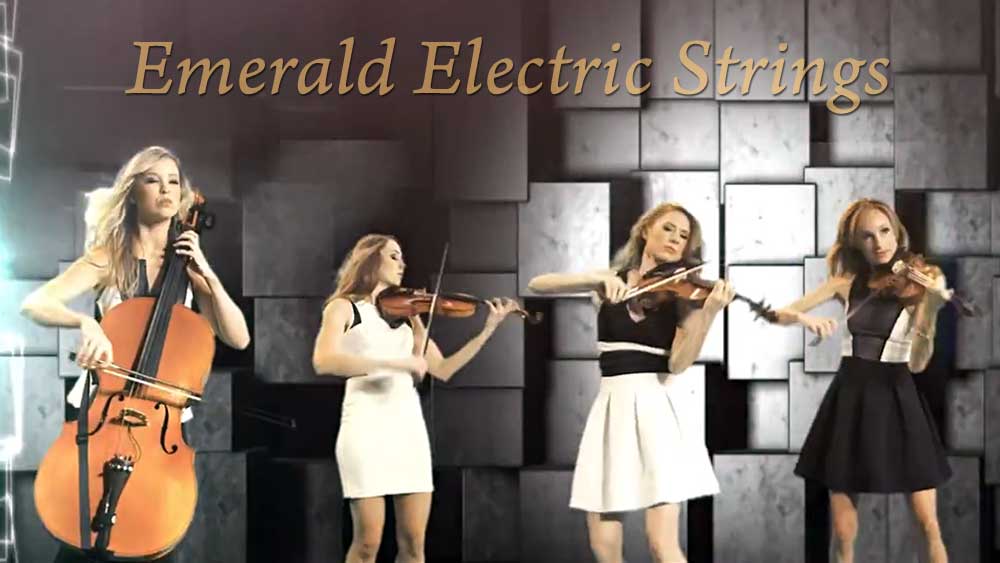
Music has the ability to enhance your wedding ceremony. It can help guests feel what you’re feeling as they take their seats when your venue’s doors are first opened. For some couples, that means a string quartet performing a timeless processional with cinematic polish. Music enhances the entire ceremony, as they stand beside you, and as you become husband and wife or partners. But the wrong songs can distract or make guests uncomfortable. The right songs won’t compete with the moment, they’ll only enhance the moment. Ceremony music can also set the tone for your wedding, and has the potential to linger in guests’ minds for days to come.
What Music for Wedding Ceremony Moments Should Feel Like
Sophisticated. That’s an interesting word for music, isn’t it? Sophisticated can mean so many things, polished, refined, glamorous, elegant, cultured, stylish. Music that elevates the moment, a string quartet that breathes cinematic polish to your processional; an acoustic vocalist who takes that special love song that means so much to you and re-works it perfectly for your wedding. Sophisticated is what’s right for you and your guest’s experience. It’s dependent upon your venue, the level of formality you envision, and your own personal style.
Musings on ceremony music can easily turn into a discussion on musical genres, classical, traditional, contemporary, religious, country, etc. But the best ceremony playlists are cohesive. Cohesive doesn’t necessarily mean that your ceremony should be limited to one musical genre, it could span several genres; what’s important is that it doesn’t seem random, but instead seems intentional. It should progress emotionally, building in anticipation and excitement, expressing your love, celebrating your union.
Cohesive also means matching the atmosphere. Sweeping, dramatic pieces lend themselves to a ballroom setting. Lighter, airier selections compliment a garden setting. Laid-back elegance is perfect for a beachfront. Choosing the most popular songs could result in lyrics or tempo that doesn’t compliment the atmosphere of your ceremony, even if each selection individually is meaningful to you.
Start With the Ceremony Structure, Not Just the Songs
Music is one of the easiest aspects of the ceremony to overlook. Usually couples have a song for the processional in mind but fail to consider the rest of the music during the ceremony.
Music can enhance each moment in your wedding. From the time your guests walk through the doors to when you exit after becoming married there are multiple opportunities to enhance the ceremony with music. We suggest looking at each part of your ceremony and determining what vibe or energy you’re looking to create with each segment. From there, the right pieces of music will start to reveal themselves.
Prelude Music for a Wedding Ceremony Sets the Tone Before Anyone Walks
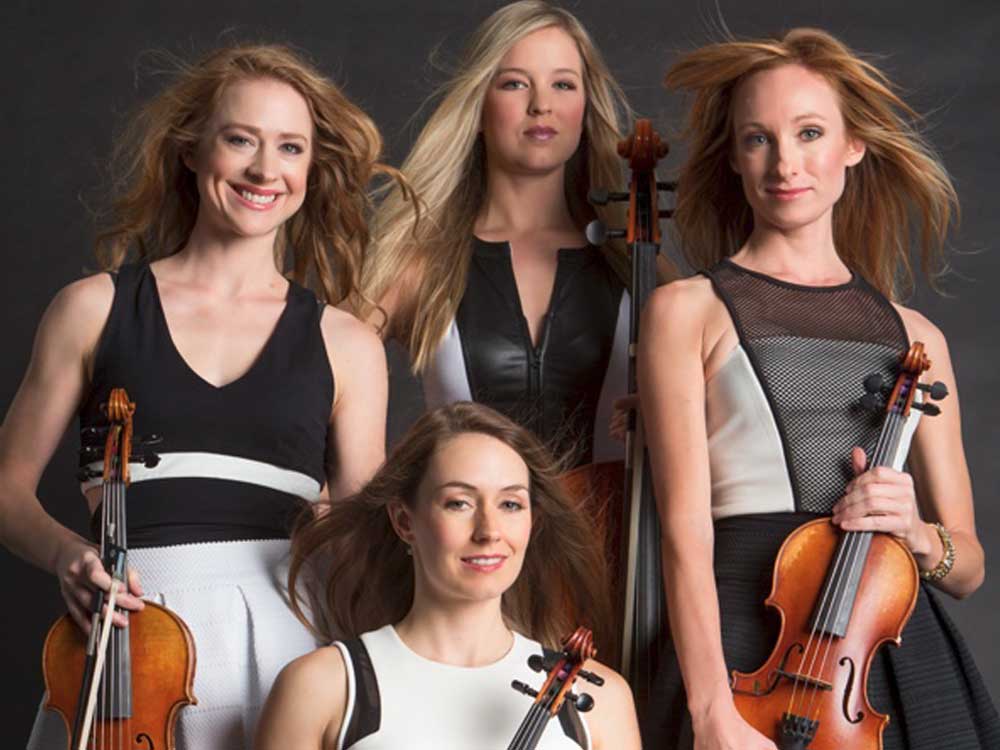
Live wedding ceremony music plays while your guests are arriving and being seated. It can set the tone and aesthetic of your event. Soft instrumental covers of songs, jazz, harp, guitar, strings, piano – whatever feels like your vision. This music doesn’t necessarily need to command the room but should enhance the atmosphere.
Having a musician or duo playing this part of the ceremony will add class and set the tone of the day for guests upon their arrival. It’ll leave an emotional and refined impression on your guests, elevating the vibe of the ceremony. This is the advantage of booking musicians – they’re an investment that adds another level to your ceremony.
Processional Music Should Match the Entrance Energy
Depending on the ceremony and religious or cultural influences, processional music may consist of multiple songs or be one piece. Usually there are entrances for the family, wedding parties, and the couple. It can be nice to have one piece playing the entire procession or it can be effective to choose songs that build in energy and emotion as the ceremony progresses.
We suggest avoiding songs that are high energy right out the gate and saving energy-building songs that can elevate the moment. At the same time, you want to steer away from anything that’s too soft – processional music needs some heft. We recommend choosing songs that have instrumental versions with a lot of presence. Again, having musicians here will be advantageous because they’ll be able to match the pace of the wedding party and accommodate for stops or tears.
Interludes and Unity Moments Need Restraint
Depending on the style of your officiant and religious rites there might be opportunities to enhance your ceremony with soft background music during unity rituals, such as candle or sand lighting, unity cup, or cultural practices, or while someone is giving a reading or prayer. Again, we suggest going with something that isn’t too overbearing as you want to allow these moments to retain their gravitas. Songs without words are preferred here so lyrics are not competing with whoever is speaking but you want something that provides some warmth to these moments.
Recessional Music Should Feel Like a Release
Your recessional song will announce to all that you’re officially married. We suggest saving your A-game here. Choose a song that brings an immediate lift – whether that means an upbeat traditional instrumental song, a jazzed up cover, a pop/soul classic covered live – anything that radiates positivity and confidence. You want to bring some pizzazz out of the ceremony and set the tone for the cocktail hour. A great recessional song accomplishes all of this.
Live Music or Recorded Music?
Music is another area where there are plenty of options. Recorded music is more cost-effective and you’ll always get the original version of the song, which, if that’s what you want is the easiest and cheapest way of achieving it.
Live ceremony music has an element of presence and sophistication about it. A quartet will breathe new life into even the most over-played piece, a piano or guitar will bring intimacy, a jazz trio a touch of sophistication, and an acoustic singer can breathe life into any contemporary track. At more expensive weddings it’s common for the music to be one of the things people remember
Beyond aesthetics, good musicians are experienced in working with couples and wedding planners to make sure everything goes to plan, although, in truth, weddings rarely ever go to plan. Experienced players read the room and can adapt to the situation. Ultimately, having a musician able to adjust to changes of pace ensures everything is seamless. It’s another area where couples need to identify their own priorities and see what’s within budget.
What Styles Work Best for Wedding Ceremonies?
It’s okay to use songs that are important to you. However, some of your favorite tracks may not necessarily sound elegant and refined during a wedding ceremony, no matter how much you enjoy listening to them on a daily basis, and this is where choosing the right music style can help.
Classical is a durable and traditional choice. Pieces played on a string quartet or accompanied with a harp or piano work very well too. The result has a timeless feel that’s fitting for formal entrances. Contemporary acoustic has a romantic edge. Stripped-down versions of songs have a personalized element that commercial tracks lack. Jazz lends a level of sophistication and warmth without seeming stuffy and goes well with preludes and transitional music, such as after your ceremony. It works well for city-based weddings, luxury hotels and evening ceremonies. Instrumental versions of pop and cinematic songs are stylish and tasteful, meaning you can include some of your favorite tunes while retaining a formal edge. Ultimately, the style of music, and its performance, is just as important as the tracks themselves.
How to Choose Songs that Feel Personal Without Feeling Casual
The best music for a wedding ceremony is the music that feels meaningful to you, that represents who you are without literally chronicling your relationship. The music should also contribute to the mood you’re trying to achieve.
While there’s no need to sort by genre, think about what kind of feeling you’re going for, formal, romantic, spiritual, relaxed, dramatic, etc. Then think about your guests’ reactions, do you want them to cry? Smiling through tears? To get the runs? Consider what makes those feelings come to mind, then browse for songs with those qualities.
Beyond your preferences, you’ll need to think about whether or not certain styles and instrumentation will work acoustically in your venue. For instance, you might like larger, richer pieces that’ll be beautiful in a cathedral but not in a small outdoor space. Depending on the acoustics and weather (hello, wind), a solo violinist may not be practical, will everyone hear it? Can it be amplified? Is it worth investing in a full ensemble? Luckily, if you’re working with a planner and an entertainment team with experience, they’ll be happy to help you find songs and performers beyond your favorite tracks that’ll fit your ceremony’s aesthetics, venue, and timing.
Your Ceremony Music Planning Checklist
- Note any sound-related venue policies such as house pianos, amplified sound, PA systems, or noise restrictions.
- Identify the “vibe” or “feel” of your ceremony using three descriptive words. Use these descriptors when selecting songs.
- Create a list of processional participants.
- Determine how long your walks down the aisle will take, typically between 20 and 45 seconds..
- Pick songs based on your participants, mood, and length of walks. Be mindful of song arrangement, as a solo piano version may have a different vibe from a string arrangement or the original song. Also consider lyrics, as many beautiful songs are about regret, loss, break-ups and/or heartbreak.
- Determine if you want instrumental music under the readings and vows. Consider the weight of the readings and vows in relation to any accompanying music. Silence can be very meaningful.
- Choose songs for the following moments: Prelude for early-arriving guests, planned for about 20-30 minutes, Seating of the immediate family, processional for each group or individual entering the ceremony, processional for the couple’s entrance, any special “moment” in your ceremony such as a unity candle, recessional and the postlude for slowly-departing guests, planned for about 10-15 minutes.
- Rehearse equipment on event-day, on-site, and on-set.
- Prepare a cue sheet to provide to your planner/coordinator and musicians. Cue sheets should include song titles, participants, the “moment” that begins the song and how to handle song endings, such as fading out, repeating, or letting it end.
- Appoint ONE person to cue songs. Avoid receiving cues from various members of the wedding party.
- Plan a B, C, or D because weather, technology, and other things can go wrong. Have backup plans including extra speakers, cords, power, players, devices, etc. Download songs in case of wifi/internet issues.
Common Ceremony Music Mistakes to Avoid
Many couples make the mistake of choosing songs independently, and this leads to a processional song that doesn’t fit the mood of the other songs. Guests aren’t likely to analyze the lyrics of your ceremony music, but they will definitely get a sense of the overall feeling of your ceremony. Choose songs with similar moods and tempos.
No matter how amazing your grand entrance is, no one will be able to hear the officiant if the ceremony music is too loud. Whether the music is performed live or played over speakers, you want it to be strong enough to make an impact, but not so much that it overpowers the room.
The best musicians for weddings are booked well in advance, especially during peak wedding season. Book your musician as soon as you know what type of live entertainment you want. Booking earlier gives you more options.
What Music for Wedding Ceremony Planning Looks Like at a High Level
One aspect that helps add to the high-end production value of a luxury wedding is the music. Couples and planners alike want their event to be as magical and memorable as possible. The best live music will enhance the feel of the space, making even a bride’s entrance unforgettable. Music should never be an afterthought on the to-do list. Hire an elite live music agency that is experienced and polished enough to handle the minute moments in a ceremony, as well as give an energizing performance at the reception.
Quality is key and you’ll be thrilled with an agency that offers music that’s tailored to your event and coordinated with other aspects of the ceremony. When it’s done by the right people, good music is effortless, flowing from ceremony to reception without skipping a beat. Hire the best in the industry to keep the bar of quality raised throughout the entire event so it’s anything but run-of-the mill.
Wedding Ceremony Music FAQ
How many songs do we need for our ceremony?
Typically, most couples need 5-8 different songs, in addition to a prelude playlist. Here’s a rundown of when music is needed during a typical ceremony:
- Prelude: The prelude is the music played during guest seating, approximately 20-30 minutes before your ceremony starts.
- Processional: This is when you’re walking down the aisle. Some couples have one to three processional cues, and other couples may have a song for the officiant/processional party entering the venue, a song for the wedding party to walk down the aisle, and a song for the couple’s entrance.
- Unity or reading song: If you’re doing a special moment like a sand ceremony, you can use a special song for this.
- Recessional: This is the one and only opportunity for an upbeat song. Choose something fun and exciting, something that gets you pumped for the party.
- Postlude: As guests leave the ceremony, we can continue to play music from your prelude playlist.
Live or recorded?
A live performance adds depth and atmosphere to your wedding. Live music can adapt to the situation, speeding up and slowing down as needed. However, live music can cost a little more than recorded music, and the musicians may not necessarily perform your top choices. Recorded music can include songs that live musicians may not perform. And you’ll hear the song just like you’ve heard it hundreds of times before.
How long should our processional be?
When planning your wedding ceremony music, choose songs that get to a crescendo or chorus quickly. Walking down the aisle only takes about 20-45 seconds. We’ll start the song at a great entrance point for you, then fade or end the song when you’re ready. We’ll time everything perfectly.
Can we have a contemporary or non-traditional song?
Absolutely. Our musicians can make nearly any song work as part of the ceremony, however contemporary songs often sound best when arranged in an acoustic way. Contemporary or pop songs arranged for string ensemble, guitar, or other acoustic instruments are perfect for a ceremony. Also, some venues, especially houses of worship, limit the type of secular songs that can be performed.
Are there any songs we should avoid?
Choose a song that’s appropriate for a wedding. Some songs that sound romantic may be about a broken relationship. Check out the lyrics.
Will people hear our recorded music outdoors?
Sound travels differently outdoors. With no walls to bounce off of, outside noise from guests, the wind, etc., sound dies away very quickly outdoors. Recorded music will need proper amplification outdoors. We’d be happy to discuss the logistics with you.
Tips for using recorded music outdoors: Download all of the music to a laptop, tablet, or ipod before the wedding. Have a reliable source of power. Protect all of the equipment from the elements. Have a back-up music player. Place speakers where the music can be heard well, but is not too loud for those sitting closer. Have a reliable person cue the music.
