

Wedding Band Booking Process Explained
As soon as the couple realizes that the band will shape the entire reception they get serious pretty quickly. If you’ve been searching for how the process of booking a wedding band works in a way that’ll help you make a very smart decision for your wedding, then here’s how you do it. And here’s how to do it well…
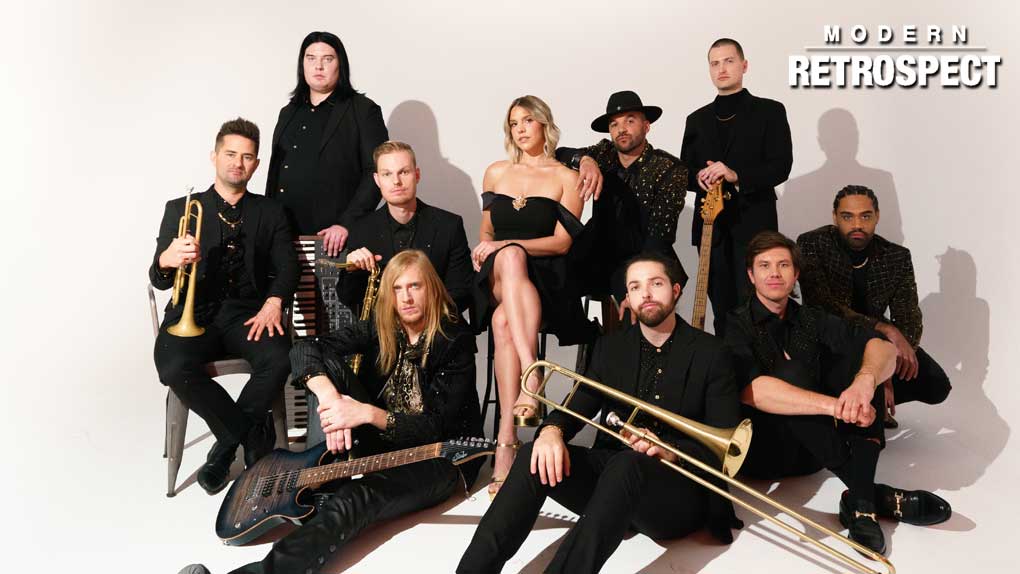
When you get to the more premium end of the market, the process of booking entertainment is far from a tick the box exercise! A great live wedding band like Modern Retrospect understands they aren’t just selling songs, they’re selling energy and flow, as well as creating the overall feeling for the night. And the booking process is to protect that.
What the Wedding Band Booking Process Really Involves
Most couples think that the process of booking a band is as simple as finding a band and signing a contract. The truth is that the best bookings are ones that are made through a process of steps that allow us to narrow things down to ensure we’re booking the right band for your event!
That’s important because, even if a band looks good online, it doesn’t mean they’ll be good in a ballroom, a tent, on a rooftop or in a destination venue. You need to learn how to tell the difference between a good band, and a GREAT, seasoned, amazing band that knows how to command a room. And if you’re looking for talent, there’s no better bands (studio quality) out there than Red Hot Revolution.

A great band like Metro Music Club Club doesn’t just show up and play the songs you requested. From the first song to the last encore, a good and experienced band should be an extension of your team when it comes to making your event a success. They should work seamlessly with your timeline, your venue and your guests. That’s what makes an event truly unforgettable instead of just having some live music!

Liquid Blue has spent years perfecting the wedding music experience at receptions. They have the energy, the musical ability, the professionalism and the flexibility to perform at the highest level, whether you’re entertaining for a small gathering or filling a large ballroom. They don’t just want to sound good, they want to fill the dance floor and have your guests talking about the band long after the night is over.

Step 1: Start With Your Reception Goals, Not Just Your Music Taste
The first thing is to figure out what it is exactly that you want the band to do at your wedding. Do you just want a group to come in and pump up the dance floor from the first song, or do you want someone who will provide an elegant ceremony, some jazz for your cocktail hour, and then a reception that kicks?
Are you going for a black tie feel? A country feel? A modern party feel? A little of all three to keep three generations of family happy? It’s important to know what you’re looking for and then try to find a band that can provide it.
When you contact a band, if it’s through a premium booking agency, they’ll ask you questions about how many guests you’re expecting, what the venue is, what day your wedding is, what city, how long you want the band, what kind of production you want, what kind of feeling/effect are you trying to achieve when the band hits the stage… etc. etc. This is a good thing. It shows they care about your experience and not just giving you a quote.
Step 2: Check Availability Early
The most elite wedding bands in any market tend to fill up their calendars pretty quickly. If you’re getting married on a prime date (i.e. a Saturday in the spring or fall, or a Saturday during a holiday weekend), then you really need to be thinking about booking a band as soon as possible, or you’ll risk being disappointed.
The first thing is to find out if your choice is even available. As soon as you tell them your potential date, location and what you’re looking for, you’ll be informed if your choice is available or not. If they’re a good booking agency, they’ll suggest artists of the same caliber and ability as the one you were looking for.
If you’re a planner or a couple who’s planning a destination or multi-day event, this is also the phase where travel plans, lodging, backline needs, load-in, etc., may need to be addressed. It’s not the glamorous part of planning, but it can directly affect whether the entertainment runs flawlessly.
Step 3: Review Promo Materials
This is such an important part of the process of booking a wedding band – you really shouldn’t be making a decision based on a list of songs alone. It’s all very well and good that a band can play the songs you like, but how well do they play them?
With a better band you really want to get a sense of their quality. How good are the vocals? How is the crowd interaction? Do they keep the dance floor full or are they just going through the motions playing popular songs? There are bands out there that can play 300 songs but don’t know how to pace a crowd and aren’t very professional.
Video quality is usually the best indicator, because it’s easy to tell if they’re a high energy act that seems to have it all going on for a live event setting. You can tell by the transitions, charisma, how they play, how engaged the crowd is, etc. If they don’t seem good on video, they probably won’t be great in person.
Step 4: Discuss the Package in Detail
This is where expectations become real. When you’re looking at wedding reception band prices, it’s almost always going to be determined by many, many factors outside of just how many people are on stage. You’re paying for the sound system, lights, emcee, playing the ceremony, playing between courses, DJ sets, special songs you want, mileage, overtime.
When you book a luxury band, they’re going to give you what you want. String quartet for the ceremony, jazz band for the cocktail hour, dance band with horns for the reception? You got it. They’ll even arrange your first dance song however you’d like. They’ll also have better production and will be visually stunning with their show and lighting. This is money well spent.
It’s also good to know the downsides. A smaller band is cheaper, and perfect for a small venue. A larger band with multiple singers, horns and dancing will generally look and sound better, but they’ll be more expensive, and need a larger venue. There’s no right or wrong answer here. Just different considerations to take into account when trying to plan the perfect evening for you and your guests.
Wedding Band Booking Process Explained for Pricing and Contracts
Once you’ve decided on the act and the package, they’ll make you a formal offer. This will detail the dates of performance, start and finish times, where the performance is, what’s included in the package, when payments are due, and the terms of the contract.
A contract should be clear and to the point and professional. It states exactly what the band is providing and when they get paid. It will usually have clauses in it about overtime rates, weather clause if it’s an outdoor wedding, meals for the entertainers, when they need to be there to set up, force majeure clauses, etc.
This is not an area to rush through. For a premium event, clarity is the key – you want the couple/planners to feel confident that there are no sketchy or vague promises being made, and no surprises down the road. Having an agency handle this in a concierge-like fashion saves a lot of stress – you know it’s being handled by people who do this all the time.
The retainer/deposit is what gets you booked. Until you’ve paid money and signed a contract, you don’t actually have a band locked in yet. This is very important in the summer months and around holidays because the band doesn’t want to turn anyone else away if you aren’t actually locked in yet.
Step 5: Personalize the Music Plan
That’s the fun part, and it’s where you need to get specific. This is the stuff you look at after the booking is confirmed.
Most couples will address the important parts of the wedding music timeline such as songs for the ceremony, style of music for cocktail hour, first dance, dances with parents, music for the grand entrance, and probably 2-3 other songs they really want heard (or really don’t want heard). A good entertainment team will help guide the flow of the evening as well.
Key Reception Moments Your Band Shapes
- Cocktail hour – This is where you can be fancy and have some classy background music. Think jazz trio, acoustic guitar/vocal duo, string quartet, etc. The music is just something in the background while people are mingling and getting the party started.
- Grand entrance music and introductions – This is where you want to start with some high energy up tempo music as the bandleader introduces himself as MC for the evening as well as introducing the band members as they walk into the room.
- First dance – This is where the couple will dance to their “theme song” or song that’s important to them as a couple. Usually this song is learned by the band for the occasion; many times the band will arrange the song specifically for the couple.
- Parent dances – Father-daughter, mother-son, or alternatives
- Welcome toast & blessing – Clean microphone support and music cues
- Dinner service – Softer, ambient sets that allow easy conversation
- Toasts & speeches – Microphone management and walk-up/walk-off timing
- Cake cutting – A short, lighthearted feature song
- Cultural & family traditions – There are so many different dances that are important in different cultures and to different families. Hora, second line, money dance, etc.
- The dance sets – This is the main part of the show, full band, lights, the whole works. This is when the headliners come out and crank it up to 11. This is the part most people come for and where luxury wedding bands excel.
- Last dance/farewell – This is the last song of the wedding and is usually emotional or happy as it’s the last dance that all the guests will have before they leave. This dance is to send the couple off and for guests to gather their things to leave.
It’s important to note that it’s smart to give direction when it comes to personalization, but it’s also smart to know that the best bands out there know when to change up their live music styles, when to move the crowd in certain directions, etc. The absolute best live bands are very experienced bandleaders and know how to keep the crowd engaged. Over-directing almost always is counter-active to the band’s ability to spontaneously be effective.
Coordination With Your Planner, Venue, and Production Team
This is the part that most couples never see, but this is the part that makes everything go smoothly or not so smoothly. The band (or the agency, if you’re booking through them) will be working with the planner, the venue mgr and any production companies to get details lined up. Load in times, power, placement, sound curfew, time cues, etc.
This is especially important for luxury, upscale weddings. Maybe there are noise ordinances that need to be adhered to, maybe there’s a specific time frame in which the ballroom has to be set up, or maybe there’s multiple parts of the entertainment that need to be coordinated. Professional communication goes a long way to making things appear seamless!
This is where the experienced agencies stand out, though. They know how to anticipate problems before they become visible to the client.ed agencies stand out. They know how to anticipate problems before they become visible to the client.
What to Ask Before You Book
Just because a band looks great doesn’t make them a good choice. You need to know what your package includes, how they manage the timeline, and if the bandleader (or agency contact) will help you plan things out. What’s their process for handling emergencies – do they have backups?
Essential Questions to Ask Before You Book
- What does your quote include? There are a lot of possible add-on options, so ask what they include in their base price and what extra stuff they charge for.
- Do you have a dedicated sound engineer and your own production or not? Some bands will provide everything while others will only provide the band, meaning you have to arrange for sound and production elsewhere.
- Have you played this venue before? Do you know the noise ordinances? Do you know the curfew? Do you know how their load in works?
- Who serves as the MC, and how do they manage announcements, introductions, and timeline cues?
- How do you keep music continuous during breaks so the dance floor never goes silent?
- How many custom songs will you learn for us (i.e. our first dance song)? I know some bands will learn one custom song for free, and will also learn additional songs for a fee – I’m curious what your policy is on this.
- What are your overtime and weather-contingency policies?
- Do you carry liability insurance? Will you give us a certificate of insurance that lists our venue?
- If one of your main vocalists/instrumentalists gets sick, what is your backup plan?
The best agencies will answer all of your questions with confidence as they have a system for dealing with these requests. They’re used to performing to a high standard, customizing their services and working at events where they can’t afford to have an off night. This professionalism is what you’re paying for.
When you use a service like Wedding Music Bands, you aren’t just getting the bands themselves. You’re getting bands that have been vetted and have great reputations, a website that has been very professionally put together to help you make your decision, a narrowed-down selection of great options, and a white-glove level of customer service.
The Real Goal is Confidence
That’s how the best bookings happen. There’s no doubt in your mind about the music. You know they’re right for the venue. You know the package makes sense. You know the team is professional and experienced and that they understand just how important it is to get it right.
All of this is to ensure you have the best and most elevated, exciting and controlled wedding reception possible. That is the real purpose behind the wedding reception band booking process explained properly.
When you book the right band, in the right way, for the right reasons you aren’t just booking musicians for your wedding, you’re booking energy for your wedding, the soundtrack of the day and the moment your guests will think ‘oh this is going to be a great wedding.’
Frequently Asked Questions
How far out do we need to be looking for a band?
For the premium and luxury market, you want to book your band 12 to 18 months in advance if you can, but preferably as soon as you lock in your date and venue. 18 to 24 months is better for spring and fall Saturday dates, major metro area markets, destination weddings, and very popular show bands. There’s only one of what you want, and prime dates often fill up fast.
I see bands from $1,000 to $50,000+. How much should we be looking to spend?
For the US market, for a well put together professional band for a luxury wedding, you’re looking at $8,000 – $25,000+. For larger show-bands with horn sections, multiple singers, etc., plus travel, and full production, plus an MC, you’re going to be paying $25,000 – $50,000+. The name recognition bands cost even more. Rule of thumb is to spend 25 – 30% of your wedding budget on entertainment if you really want live music.
If we were to get a band for our wedding, would we still need to get a DJ as well?
It’s not necessary, but with a lot of the more pricey weddings, it’s a hybrid situation. You get the experience and value of a live band, but the DJ will play some after-party sets and can play specific requests that the band can’t, as well as play music during breaks for the band. If you’re not getting a DJ, make sure the band will be providing non-stop live music, as well as pre-recorded music during their breaks.
Will the band learn our first dance song or will they only play a song they already know?
Most pro wedding bands will agree to learn at least one custom song for you. Some wedding bands will agree to learn 1-3 custom songs as standard, but will charge extra for more, or especially tricky songs (like songs with strings or horns, or lots of vocals). Sometimes it’s better to just play the recorded version for a song if you want it to sound exactly like the original.
We’re getting a band for our wedding. What are some important things that we should ask to include in our contract?
A good contract will have the date, venue, time(s) of music, number of musicians, if they have an MC, sound, lights, ceremony music, cocktail music, overtime pay, travel and meal requirements, when you’ll pay, insurance, and a backup plan. If you’re going luxury, it’ll also include confirmation on stage size, electrical requirements, loading times, and a point of contact for working with your planner and the venue.
