
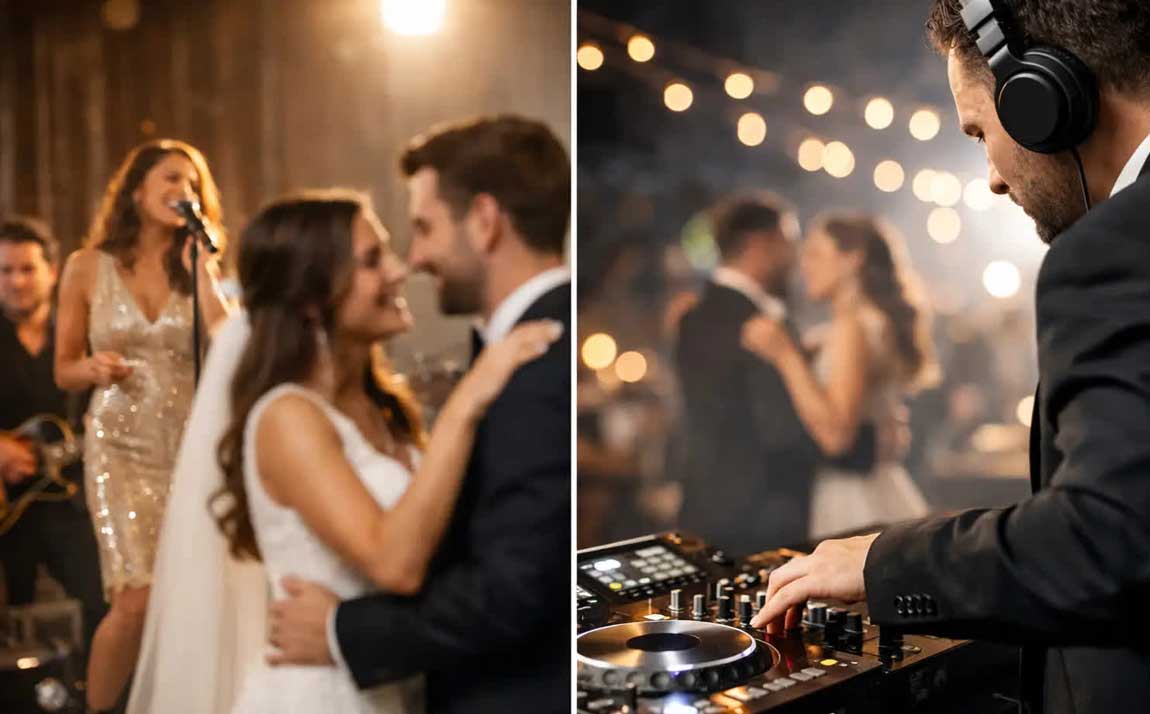
Live Band or DJ for Your Wedding? What Couples Should Know
Your choice should also fit your guests, venue, and schedule. For example, a band may need more space, more setup time, and access to power for instruments and sound equipment. A DJ may need less room but still needs a clear sound plan, especially if the venue has noise limits or multiple event areas. Couples should also think about ceremony music, first dance songs, cultural or family requests, and how early popular vendors book up.
“The best wedding entertainment choice is the one that supports the flow of the day, fits the room, and keeps guests comfortable from the first song to the last dance.”
In the end, the right option is not just about taste in music. It comes down to how you want the celebration to feel and how well the entertainment fits the practical details of your wedding day. A single missed detail, such as setup time, sound restrictions, or a must-play song list, can shape the entire reception.
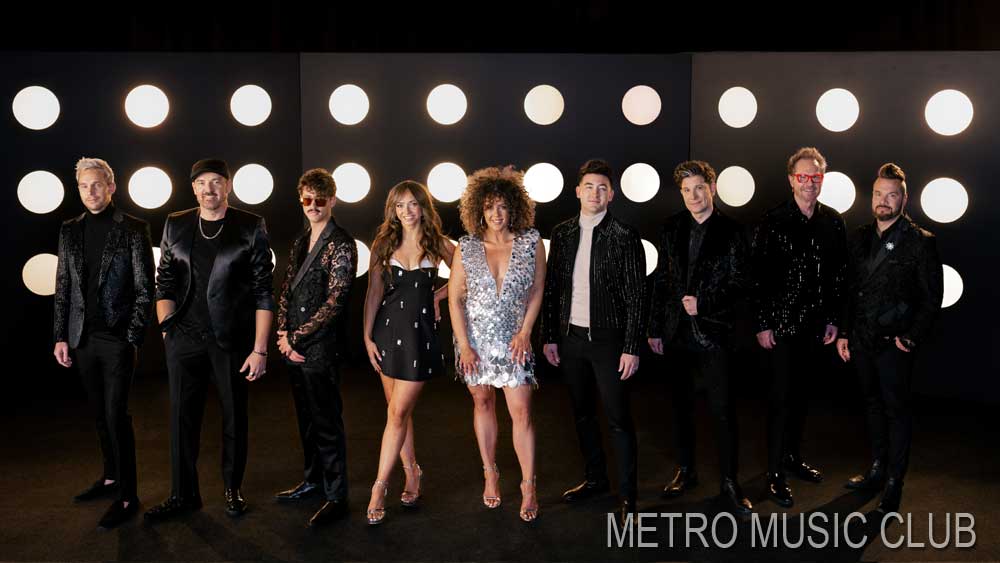
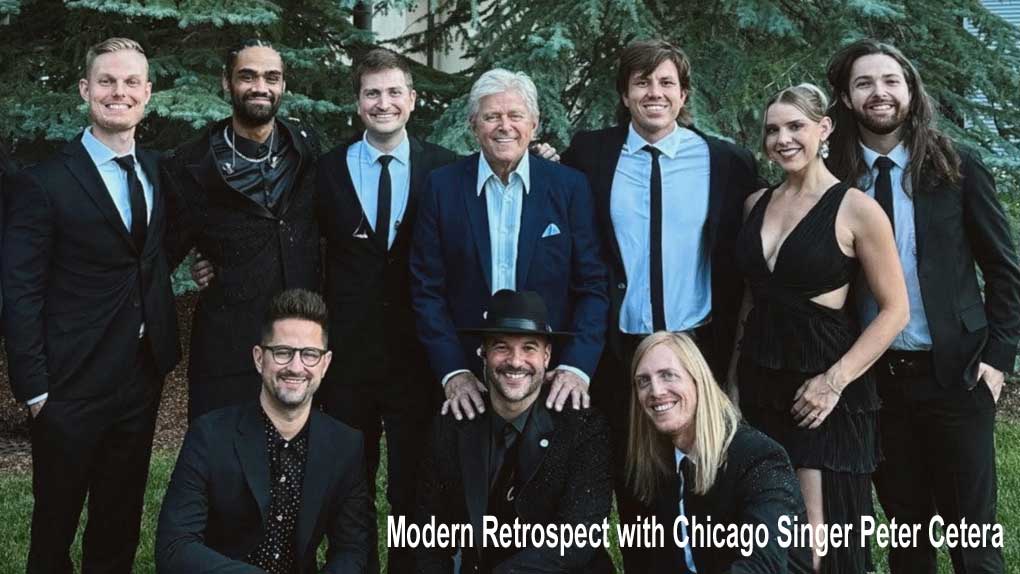
Choosing between a live band and a wedding DJ can affect more than the music. It can change your budget, timeline, venue layout, and the feel of the whole day. A band like Metro Music Club or Modern Retrospect brings a strong stage presence and a live performance atmosphere, which can work well for couples who want a concert-like reception. A DJ usually offers a wider song list, easier song changes, and steady transitions between the ceremony, cocktail hour, dinner, and dancing.
How to Choose
Choosing between a live band and a wedding DJ depends on your budget, venue, music taste, guest list, and the kind of mood you want for the day. A formal ballroom reception may suit a polished band, while a late-night dance party might work better with a DJ who can switch quickly between genres.
What a Live Band Brings to a Wedding

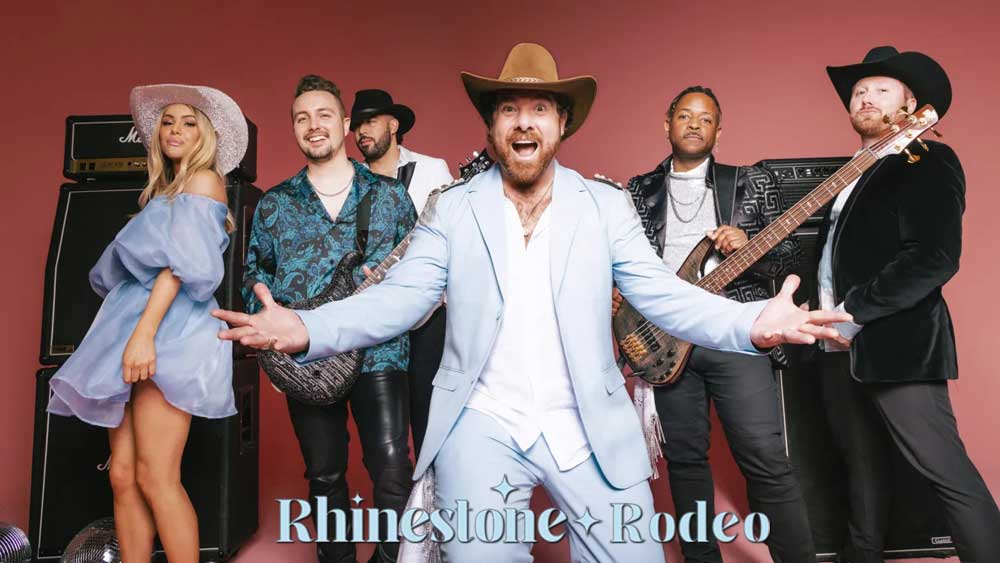
A live wedding band like Red Hot Revolution can add strong energy and a personal feel to your reception. Musicians can interact with guests, adjust their performance based on the room, and make classic songs feel fresh. Bands like Rhinestone Rodeo are a great choice if you love live vocals, real instruments, and a concert-like atmosphere.
The tradeoff is cost and setup. Bands usually charge more because you are paying multiple performers, sound equipment, setup time, and sometimes travel. They also need more space, enough power, and time for sound checks. Before booking, ask your venue if there are stage size limits, noise rules, or end-time restrictions.
Why Couples Choose a Wedding DJ
A wedding DJ often gives you more song variety and smoother transitions between moments. DJs can move from dinner music to dance hits, cultural songs, family favorites, and last-minute requests without needing to learn a new arrangement. This flexibility can be helpful for weddings with mixed age groups or guests with different music tastes.
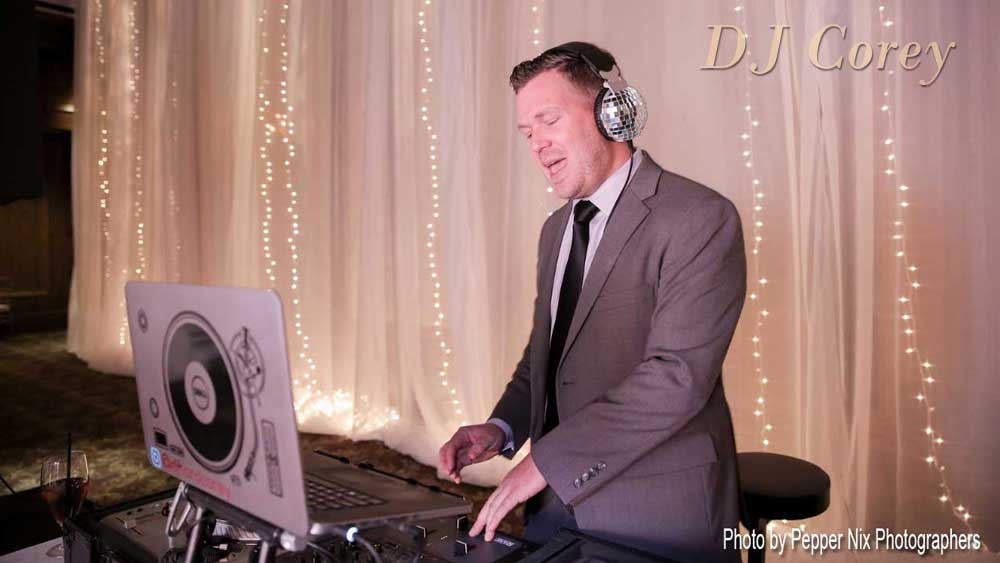
DJs are often more budget-friendly than bands, though prices vary based on experience, equipment, lighting, and location. A skilled DJ like DJ Corey can also handle emcee duties, announce key moments, and keep the timeline moving without making the reception feel rushed.
Questions to Ask Before You Book
Before signing a contract, ask clear questions about equipment, performance hours, backup plans, overtime fees, song requests, sound limits, and emcee services. For example, find out whether they bring their own speakers and microphones, what happens if a performer gets sick, and whether they carry liability insurance.
Plan Music for Key Wedding Moments
Create a music plan for the ceremony, first dance, parent dances, reception entrance, cake cutting, bouquet toss, and final song. These cues help your live band or DJ for your wedding stay aligned with your timeline and reduce awkward pauses during the event.
If your ceremony and reception are in different areas, confirm whether extra sound equipment is needed. A DJ may need a second speaker setup, while a band may need time to move instruments. Planning this early keeps the day running smoothly and helps your guests stay focused on the celebration.
Wedding Band vs DJ: A Quick Decision Guide
Choosing between a live wedding band and a wedding DJ usually depends on four things: budget, venue rules, music style, and the mood you want for the reception. Both options can create a great party, but they work in different ways.
A live band is a strong choice if you want real-time energy, visible performers, and the feel of a shared concert. Singers, guitar solos, horns, and live crowd interaction can make the room feel personal and exciting. This works especially well for couples who love live music or want classic reception moments to feel big and memorable.
The tradeoff is that bands need more planning. You’ll need to confirm stage space, power access, setup time, meal breaks, sound limits, and whether the venue allows drums or amplified instruments.
A DJ may be the better fit if you want a wide mix of songs, clean transitions, and more flexibility across age groups. A DJ can move from dinner music to 2000s pop, Motown, country, Latin hits, hip-hop, or late-night dance tracks without changing the setup.
Many couples now choose DJs who offer custom playlists, live sax or percussion add-ons, wireless microphones for speeches, and lighting packages that match the room. This can help keep the reception flowing from cocktail hour to the final song.
Key Questions Before You Book
Before you choose a band or DJ, ask clear questions about performance time, equipment, backup plans, and request policies. Find out who will act as the emcee, how announcements will be handled, and what happens if a performer or piece of gear becomes unavailable.
Also ask how much input you can give on must-play songs, do-not-play songs, first dance music, and cultural or family traditions. Typically, with a live band, you want to keep your do-not-play list to no more than 3-4 songs.
If your venue has strict sound rules or limited space, a DJ may be easier to manage. If your priority is live performance and a high-energy focal point, a band may be worth the extra cost and coordination.
The right choice is the one that supports your timeline, fits the room, and makes your guests feel connected to the celebration.
Wedding Band vs DJ Cost Comparison
Once you know which option fits your wedding style, the next question is usually price. A wedding band often costs more than a DJ because the fee covers several musicians, rehearsal time, instruments, sound equipment, transportation, setup, and sometimes meals. And destination weddings can increase the budget even more depending on the location.
A small acoustic group or trio can lower the total, while a larger reception band may take up a bigger part of your entertainment budget.
A wedding DJ is usually more affordable and easier to price in advance. Still, the final cost can change based on the DJ’s experience, your wedding date, the venue location, the sound system, lighting, and the number of hours booked.
Ask if the quote includes ceremony audio, cocktail hour music, microphones, overtime, travel fees, setup time, and liability insurance.
What to Check Before You Compare Quotes
Do not judge either option by the starting price alone. A live band or DJ for your wedding may charge extra for vendor meals, tips, parking, power access, lodging, upgraded lighting, extra speakers, or late-night overtime.
These details matter because small add-ons can quickly change the final bill.
Clear written proposals make the decision easier. Ask each vendor to list what is included, what costs extra, and what happens if the schedule runs late.
This helps both families understand exactly where the money is going.
In the end, choose the option that matches your budget, venue, and guest experience. A live band can bring strong energy and a personal feel, while a DJ can offer variety, flexibility, and steady pricing.
Both can work well when the details are clear before you sign.
Live Band Energy vs DJ Song Variety
A live band can bring a wedding reception to life with real-time performance, stage presence, and direct crowd interaction. Guests often respond to seeing musicians play familiar songs in the moment, which can make the dance floor feel more personal and exciting. A band may also adjust its pace based on the room, stretching a chorus, adding a solo, or calling guests onto the floor.
A DJ offers a different strength: song variety and request flexibility. With access to many genres, decades, and specific tracks, a DJ can move from Motown to country, pop, hip-hop, Latin, EDM, or classic rock without needing a full band arrangement. This works well for couples with mixed-age guest lists or very specific must-play songs.
For couples who want high-energy live performance, a band is the stronger fit. For couples who care most about wide music selection and fast song requests, a DJ may be the better choice.
Some weddings use both: a live band for dinner and key dance sets, then a DJ for late-night favorites and guest requests. This balanced option gives the reception the feel of live music while keeping the playlist flexible.
Dance Floor Energy: Band vs. DJ
As the reception moves from dinner to dancing, your entertainment choice can change the entire mood of the room. A live band brings a sense of presence that recorded music cannot always match. Guests can see the singers, hear the instruments, and react to the performers in real time. That back-and-forth can make the dance floor feel more social, especially if your crowd enjoys live vocals, familiar sing-alongs, and a little stage banter.
A DJ offers a different kind of energy. With smooth song changes, steady sound levels, and quick adjustments to the crowd’s mood, a DJ can keep people moving without long breaks between songs. This works well for mixed-age guest lists because the music can shift from Motown to pop, hip-hop, country, Latin hits, or classic rock in minutes. If one style is not landing, a skilled DJ can change direction fast.
Think about your guest list before you decide. If your friends and family love live shows, a band may create stronger crowd connection.
If your group prefers variety, requests, and nonstop pacing, a DJ may be the better fit. The right choice is the one that helps guests feel comfortable, included, and ready to stay on the dance floor.
Song Request Flexibility for Wedding Music
Song requests can shape the mood of a reception, especially once guests start moving between dinner, speeches, and the dance floor. This is one reason many couples compare a wedding DJ and a live wedding band before making a final choice.
A DJ usually has access to a wider music library, which makes it easier to play family favorites, cultural songs, throwback hits, and last-minute guest requests. Couples can keep the process simple by sharing a must-play list, a do-not-play list, and clear notes about whether guest requests are allowed.
A live band may have a smaller song list, but a skilled band can adjust the night with fresh arrangements, shortened versions, medleys, and changes in tempo. For example, they may blend a classic Motown song into a current pop track or slow things down for older guests before bringing the energy back up.
Couples should ask for the band’s song catalog before booking and talk through how requests will work during the reception.
Clear request guidelines help avoid awkward moments, such as a guest asking for a song on the do-not-play list or a performer being asked to play something they have not prepared.
Whether you choose a DJ or a band, the goal is the same: keep the celebration organized, personal, and fun for everyone in the room.
Match the Wedding Reception Mood to the Music
Once the speeches, first dance, and dinner are done, the reception shifts into a new phase. The music should support the kind of night the couple wants guests to have.
A live band brings movement, personality, and a strong visual presence. Guests can watch the musicians, respond to the performance, and feel pulled into the same shared experience. This works especially well for couples who love a clear music style, such as jazz, soul, Motown, country, Latin, or acoustic pop.
A DJ gives the couple more control over song range, timing, and mood changes throughout the evening. A DJ can move from dinner music to party tracks quickly, handle requests, and adjust the playlist based on how guests respond. This choice often suits weddings with multi-generational weddings, different cultural backgrounds, or varied music tastes.
The best option depends on the couple’s priorities. Choose a band if live performance, audience interaction, and stage energy matter most.
Choose a DJ if flexibility, broad song choice, and smooth transitions are more important. Either way, the goal is to create a reception that feels natural, welcoming, and true to the couple’s style.
Choosing Wedding Entertainment That Fits Your Style and Guests
The right entertainment choice depends on your wedding style, timeline, venue rules, and guest list. A black-tie reception may suit a polished live band, while a barn wedding might work better with acoustic music during dinner and a DJ for dancing later.
If you want to create a packed dance floor, think about your guests’ ages, favorite genres, and how much variety they’ll expect throughout the night.
“The best wedding music feels personal to the couple while still giving guests a reason to stay, smile, and dance.”
Before booking, compare practical details such as setup space, sound limits, break times, and how each option handles song requests.
A live band can bring energy and stage presence, while a DJ can shift quickly between Motown, country, pop, Latin hits, and late-night dance tracks.
For many couples, a mix of both works well: live music for the ceremony or cocktail hour, then a DJ for the reception.
Choose Music That Fits Your Wedding Style
Your wedding style and guest list should shape whether you choose a live band or a DJ. A formal ballroom reception often pairs well with a polished band that can bring warmth and stage presence to dinner and first dances.
A rooftop party, warehouse venue, beach reception, or modern lounge may work better with a DJ who can move quickly between genres and keep the pace flexible.
Your music choices also set the mood. Jazz, soul, country, Latin, pop, hip-hop, rock, and electronic music each create a different feeling for the room.
The age range of your guests, family traditions, and cultural background can also guide the playlist without assuming everyone will like the same songs.
Personal taste should stay at the center of the decision. If you love live vocals, a band may make key moments feel more personal.
If you want fast song changes, remixes, and a wide range of dance music, a DJ may be the better fit. Season can also play a role. Acoustic sets can feel cozy for fall weddings, while bright pop and dance tracks often fit summer celebrations.
Think about the full event timeline too. Bands bring strong live energy to entrances, first dances, and big reception moments.
DJs can adjust quickly during cocktail hour, dinner, dancing, and late-night requests. The right choice is the one that matches your venue, your crowd, and the kind of celebration you want to remember.
Consider Guest Preferences When Choosing Wedding Music
Your wedding music should fit your style, but it also needs to suit the people sharing the day with you. The age range, family backgrounds, and overall mood of your guest list can help you decide whether a live band or DJ will feel more inviting.
For a guest list with parents, grandparents, cousins, and friends from different stages of life, a mix of familiar songs often works best. Think Motown, classic rock, old-school R&B, pop favorites, and a few slow songs that bring couples onto the dance floor.
A band can add warmth and real-time energy, especially if your guests enjoy live vocals, instruments, and a performance feel.
A younger crowd may lean toward current pop, hip-hop, dance tracks, EDM, Latin hits, or remixes. In that case, a wedding DJ may be a strong fit because they can switch styles quickly, take requests, and read the room if the dance floor starts to thin out.
Couples should also think about family traditions, cultural music, and songs tied to meaningful moments. For example, a DJ may be better for blending Bollywood, Afrobeats, country, and Top 40 in one set, while a band may shine during cocktail hour, dinner, or a high-energy reception set.
The right choice is the one that helps people feel included, comfortable, and ready to join in during the most memorable parts of the day.
Wedding Music Coverage From Ceremony to Last Dance
A smooth wedding soundtrack starts with a clear plan for every part of the day. Map the music from the ceremony prelude through the last dance, including timing, equipment needs, key songs, and transition points. This helps your musicians, DJ, planner, venue team, and photographer stay on the same page.
Couples should list the ceremony selections, cocktail hour music, dinner background tracks, formal dance songs, entrance cues, and reception playlist in the order they will happen. For example, note the song for the wedding party entrance, the processional, the recessional, grand entrance, first dance, parent dances, cake cutting, bouquet toss, last dance, and send-off. These details reduce confusion and keep the day moving without awkward pauses.
Live Band Energy and Planning Details
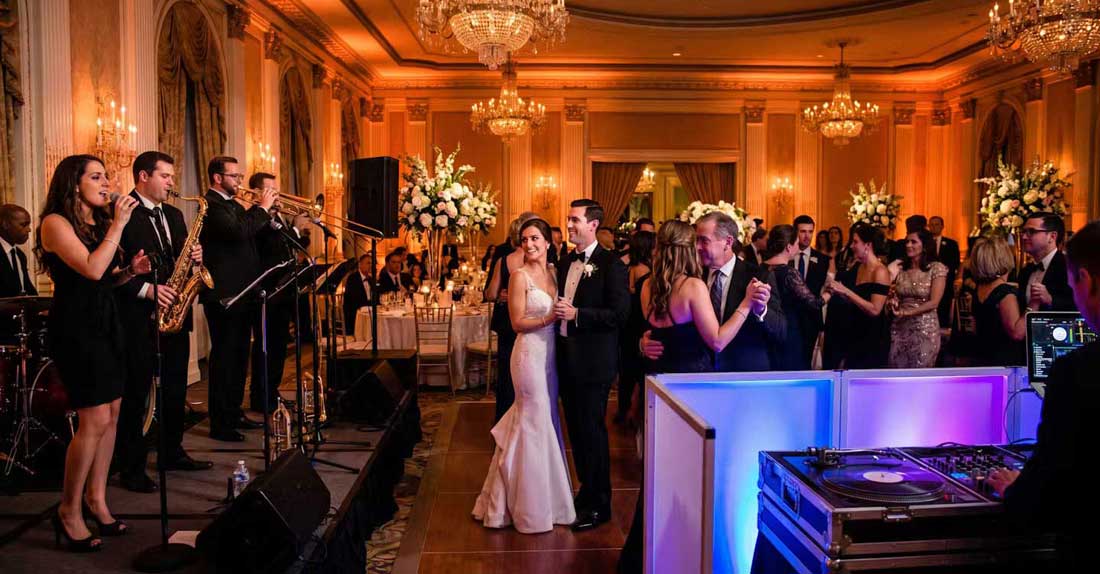
A live wedding band brings real-time energy, stage presence, and musicianship that many guests enjoy. Live vocals, instruments, and crowd feedback can make the reception feel personal and shared. Bands work especially well for couples who love live performances, classic dance music, jazz, soul, Motown, country, or acoustic ceremony arrangements.
Still, bands need careful coordination. Confirm set lengths, break times, meal timing, power access, stage space, load-in rules, and song requests early. Ask whether the band provides a master of ceremonies, handles announcements, or needs your planner to make formal introductions.
You should also ask how they handle songs outside their standard list, whether they can learn a first dance song, and what music plays during band breaks.
DJ Coverage and Reception Flow
A wedding DJ can provide steady music coverage across the full event, from ceremony sound to the final reception track. DJs can make quick edits, switch genres fast, take approved requests, and adjust the mood based on the room. This works well for weddings with mixed age groups or couples who want pop, hip-hop, Latin, country, EDM, throwbacks, and slow songs in one night.
DJ technology also helps with clean transitions, wireless microphones, ceremony audio, and custom edits for entrances or formal dances. Before booking, ask about backup equipment, speaker setup, lighting options, do-not-play lists, request policies, and how the DJ manages announcements.
A strong DJ plan keeps the music consistent while still allowing the party to feel natural.
Sound Equipment, Cues, and Backup Songs
Whether you hire a band, DJ, or both, the music plan should include microphones, speakers, power needs, cue sheets, entrance names, pronunciation notes, and backup songs. Ceremony audio matters because guests need to hear vows, readings, officiant remarks, and live or recorded music.
Reception audio matters because announcements guide guests through dinner, dances, toasts, and send-off plans. Guest interaction should feel easy, not forced. Some couples want group dances, singalongs, or open requests. Others prefer a more relaxed atmosphere with limited announcements.
Make these preferences clear so your entertainment team knows how to read the room without pushing guests into activities they may not enjoy.
A Clear Music Timeline Keeps the Day Organized
Assign each wedding segment a cue, a song, and a responsible person. For example, the planner may cue the processional, the DJ may announce the grand entrance, and the bandleader may handle the first dance transition.
Add backup tracks in case a song file fails, a musician runs late, or the timeline shifts. With a detailed music timeline, the celebration feels organized from guest arrival to farewell. Everyone knows what comes next, the sound team can prepare in advance, and guests can follow the flow of the day without confusion.
Match Entertainment to Venue Space, Power, and Sound Limits
Before booking a live band or DJ for your wedding, you should compare the entertainment plan with the venue’s real limits. A great reception can feel cramped fast if the stage blocks tables, speakers point toward dinner guests, or vendors have no clear path to the kitchen and bar. Early planning helps the music, layout, and guest movement work well in the same room.
“The best reception layout gives music room to breathe without making guests feel squeezed.”
Venue size affects more than the headcount. It shapes the stage footprint, dance floor comfort, speaker placement, lighting setup, and service routes. For example, a six-piece band may need space for drums, keys, amps, monitors, and mic stands, while a DJ may need a smaller table, speakers, lighting stands, and access to reliable power. Ask for a measured floor plan before signing entertainment contracts.
Couples should also confirm sound rules, setup windows, and local noise ordinances before deposits are paid. Some venues require music to end by a set time, lower bass after dinner, or keep doors closed during dancing. Others may require entertainers to use in-house sound systems or limit subwoofers in shared buildings.
A clear floor plan gives every vendor the same reference point. It helps entertainers place speakers safely, caterers keep service paths open, photographers move around key moments, and guests enjoy the room without awkward crowding. With the right planning, the reception feels comfortable, lively, and well arranged from the first song to the last dance.
Should You Hire Both a Wedding Band and a DJ?
Hiring both a live wedding band and a DJ can work very well when each one has a clear role. A band brings presence, emotion, and a live feel to standout moments, while a DJ keeps the music moving before, between, and after the band’s sets. This setup gives couples more variety without making the reception feel disjointed.
A band may be the right choice for the main reception if you want strong vocals, live instruments, and a performance guests can watch as well as hear. This can make moments like the first dance, parent dances, and the dance floor opening feel more personal.
A DJ can then cover cocktail hour, dinner music, late-night tracks, after-party pacing, and guest requests that fall outside the band’s song list.
This pairing also helps when your guest list includes different age groups or music tastes. For example, the band might play Motown, soul, pop, or classic rock during peak reception time, while the DJ can mix in hip-hop, Latin, EDM, country, or current chart songs later in the night.
That balance keeps more guests involved and avoids relying on one style for the entire event.
Before booking both, review the practical details. You will need enough space, power access, setup time, and a clear sound plan.
Some venues also have volume limits or strict timing rules, so ask about those early. Cost matters too, since hiring two entertainment teams usually increases the budget.
If you want live performance, flexible song coverage, smooth transitions, and a strong late-night party, hiring both a band and a DJ can be a smart choice.
The key is coordination. Share one timeline, confirm who handles announcements, and make sure both vendors understand the mood you want for each part of the celebration.
Best Time to Book a Wedding Band or DJ
Couples should aim to book their wedding band or DJ 9 to 12 months before the wedding, especially if the date falls during a busy season, on a Saturday, or at a well-known venue.
Good entertainment teams often fill their calendars far in advance, so early planning gives you more choice and less pressure. A solid timeline also gives you time to compare performers, read reviews, ask about packages, and review the contract carefully.
Since music sets the tone for the reception, this is one vendor decision that can shape how guests experience the day.
Why Early Availability Checks Matter
Checking availability early helps you avoid last-minute stress.
Bands often need to coordinate several musicians, sound equipment, setup time, travel, and sometimes lodging. DJs may have simpler logistics, but popular local DJs can still book quickly, especially for spring, summer, and fall weddings.
Once you have confirmed your venue, wedding date, guest count, and basic reception schedule, you can reach out to your preferred entertainers.
Share useful details right away, such as:
- Wedding date and location
- Approximate guest count
- Indoor or outdoor setup
- Music style preferences
- Ceremony, cocktail hour, and reception needs
- Budget range
These details help bands and DJs give accurate pricing and confirm whether they are a good fit for your event.
Booking Entertainment for a Short Wedding Timeline
If your wedding is less than 9 months away, contact entertainers as soon as possible and keep your options flexible.
A Friday, Sunday, weekday, or off-season wedding may give you more availability and sometimes better pricing. You may also find talented performers who had cancellations or recently opened dates.
After booking, you will still need time to plan the music for key moments, including the processional, grand entrance, first dance, parent dances, dinner music, and final song.
You can also discuss announcements, cultural traditions, and special requests so the entertainment feels personal and well organized.
Final Tip for Couples
Book a live band or DJ early enough to make thoughtful choices, not rushed ones.
The right entertainer will help manage the energy of the reception, keep the schedule moving, and create moments your guests will remember long after the wedding day.
Frequently Asked Questions
Do Bands or DJS Provide Liability Insurance for Wedding Venues?
Yes. Top wedding bands and DJs carry liability insurance, but couples should ask for proof before signing contracts or finalizing venue paperwork. Most venues want a certificate of insurance (COI) that lists coverage limits and may require the venue to be added as an additional insured for the event date. Requirements differ by venue, so it’s smart to request this information early. That gives the band, DJ, planner, and venue enough time to handle updates and avoid last-minute stress.
Wedding Vendor Liability Insurance Requirements
Liability insurance helps protect the venue and event team if equipment, cables, speakers, lighting, or performance-related activities cause property damage or injury. For example, if a guest trips over a DJ’s cord or a speaker stand damages flooring, the vendor’s policy may help address the claim.
“Ask for insurance details as soon as you book entertainment. A five-minute email can prevent a week of back-and-forth right before the wedding.”
How Do We Handle Performer Meals and Vendor Breaks?
Include meal preferences, allergies, dietary restrictions, and service style in each vendor contract so everyone knows what to expect before the wedding day. For example, note whether the band, DJ, photographer, or planner will receive a hot meal, boxed meal, or buffet access, and confirm where they should eat.
Schedule breaks during natural quiet moments, such as guest dinner service, speeches, or planned playlist coverage. This keeps entertainment and key services running without awkward gaps. If a band needs a 20-minute break, ask the DJ or coordinator to have a playlist ready so the room still has music.
A wedding coordinator can manage timing, direct vendors to meals, and make sure performers are treated with respect while the event stays on track.
Can We Review a Band or DJ Contract Before Booking?
Yes. Couples should review the band or DJ contract before they book. A careful read helps confirm the total fee, payment schedule, performance time, setup needs, break times, overtime rates, and any travel or equipment costs. Asking questions early can prevent surprises later and helps everyone agree on the plan before the celebration date is confirmed.
Quote: “A clear contract keeps the focus on the music, the guests, and the moment—not last-minute confusion.”
Should You Tip Your Wedding Band or DJ?
Yes, many couples tip their wedding band or DJ, especially if they arrive on time, keep the schedule moving, and help create a great guest experience. A good rule of thumb is $100 to $200 per musician or $75 to $100 for a DJ, depending on the length of the event and the quality of service.
Before setting aside cash, check your contract. Some entertainment companies include a service charge or gratuity in the final bill. If tipping is not included, prepare labeled cash envelopes before the wedding day and give them to a trusted person, such as your planner, best man, maid of honor, or a parent.
Custom Quote: “A tip is not required, but it is a thoughtful way to thank the people who helped keep your celebration running smoothly.”
Live Band vs. DJ for Your Wedding
Choosing between a live band and a wedding DJ comes down to your budget, venue rules, guest list, and the mood you want for the day. A band brings live vocals, real instruments, and a strong stage presence, which can make the reception feel lively and personal. A DJ usually gives you a wider song selection, easier volume control, and smoother changes between the ceremony, cocktail hour, dinner, and dancing.
Before booking, ask each entertainer what parts of the wedding they can cover. Some couples need music for the ceremony processional, background music during cocktail hour, dinner playlists, special dances, and the full reception. You should also check practical details like stage space, power access, setup time, sound limits, and whether the venue requires proof of insurance.
Book early, especially for popular wedding dates, so you have more choices and time to plan your music list. Share your must-play songs, do-not-play songs, first dance selection, and any cultural or family music requests.
A live band may be the right choice if you want a concert-style feel and have room in the budget. A DJ may work better if you want more variety, quick song requests, and a setup that fits smaller venues. The best option is the one that matches your celebration, keeps the timeline moving, and helps everyone enjoy the day from start to finish.
