

How to Choose a Wedding Reception Band
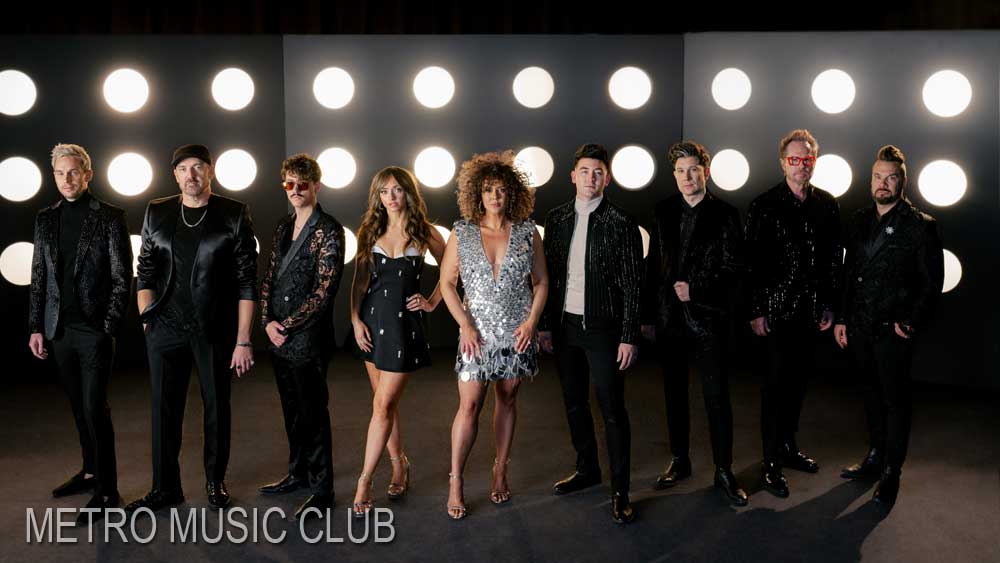
The second your reception changes from a dinner setting to a dancing setting, it’s going to either help with the enjoyment of your guests, or the entertainment will suck the life out of the party. By choosing a world class wedding reception band like Metro Music Club, they won’t just play songs; they’ll set the pace and make the reception the best part of the wedding!
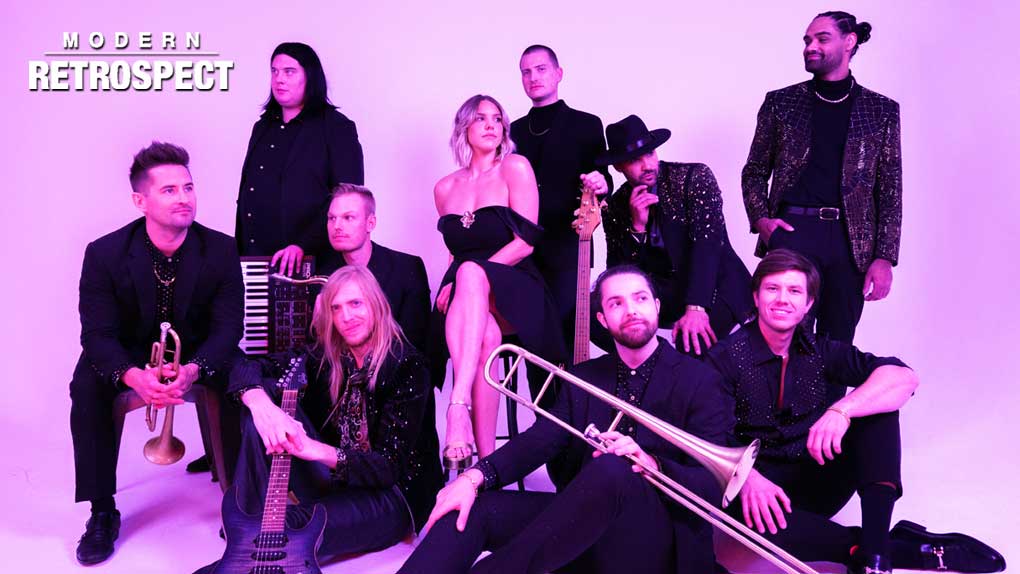
Modern Retrospect is a wedding reception band specializing in wedding receptions. We think that every wedding reception should be memorable and want to help make yours one of the best days you’ll ever experience.
If you’re getting married and want to have the best wedding celebration for yourself and your friends and family, know that live music at the wedding is going to be the driving force behind a great celebration. Whether it’s a black tie wedding in a ballroom, a destination wedding outdoors, or a modern luxury wedding, having an incredible wedding band like Red Hot Revolution will be the driving force of the energy at your wedding.

If you want to hire one of the hottest live wedding bands in the whole world, look no further than Rhinestone Rodeo. You’re going to be getting emails from your wedding guests talking about how great they were for months to come. But, hiring the wrong group can make or break the night, even if they have a decent song list.

What a Wedding Reception Band Really Controls
When thinking of a band, many may think in terms of genre first. While this is important, it’s only one aspect of a band. Your band will control the flow and atmosphere like no other vendor. They are the ones that’ll keep cocktail hour classy, have the intros dramatic, keep first dances elegant, and then turn the party into a rave.
That range of prices are why most premium couples and planners seek more than just a musical performance. A band like Party Echelon is not only great on stage, but also great in the background. They coordinate well with planners, know how to stick to a schedule, adjust to the venue and how to keep things rolling without any dead air. The best live performances look and feel like impromptu. But they’re only as good as the experience behind the performances.

There’s also a practical side to it as well. Recorded music fills space well. Live bands create moments. If you want the reception portion of your wedding to be unforgettable, as opposed to just functional, then that’s something to keep in mind as well.
How to Choose a Wedding Reception Band that’s Right for Your Event
The smartest thing for you to do when choosing a band for your reception is to decide what style of band you’re looking for. Do you want a dance band that’ll get the party going strong from the very start? Or do you want a band that’ll play some classy music during dinner and gradually build through the night to a huge party finish? Not all bands are good at both.
Then think about who you want there. A band that only plays one type of music might be great if you want a concert feeling, but most people want to have a wider appeal for a wedding. The best bands are the ones that can seamlessly blend music from any decade/genre/tempo and make it sound cohesive, and elevate the night. They can go from Motown to pop and from classic songs to current.
This is also where the size of the band comes in. Smaller bands can be very chic, and more flexible if you’re doing a smaller wedding reception, or if you’re trying to save money. Larger dance bands can bring a lot more energy, a bigger vocal sound, and visual impact. They can really elevate a luxurious wedding. It’s all just about what you’re looking for.a huge party finish. Those are different jobs, and not every band handles both equally well.
Key Questions to Ask Before You Choose a Wedding Reception Band
- Are you available on our date, and which musicians, specifically, will perform at our wedding? Find out if they’re already booked on your date, and if not, if the musicians in their video will be the ones actually performing at your wedding.
- What is your default performance length, and how is it divided up into sets? Will they perform for 3, 4, 5 hours total, etc.? How long will their breaks be between sets and how often? Typically, for a 4-hour wedding reception, a band will play for 45-60 minutes and then take a 15 minute break.
- What do you do during breaks? Will you have a DJ that can play recorded music while you’re off stage?
- Will you learn the first dance, or any of the other songs that are requested for the wedding? I’ve seen some places charge an arm and a leg to learn a song for a special request, so I’d like to know up front what the charges are for learning a song.
- Does your bandleader double as an emcee? Some bands are great at just playing music and are terrible at making announcements and keeping the run-of-show moving forward, while others are great at both. You can also hire a separate emcee if the bandleader isn’t up for it.
- Sound: Do you have your own sound system, mics and sound engineer? This is a biggie, you want to make sure everyone can hear you and that you don’t have to rely on the venue’s sound system as they often times are terrible or can’t be found when you need them.
- Do they provide stage lighting? Dance floor lighting? Sometimes this is an extra cost, sometimes it’s included – it’s definitely worth having, and can be overlooked when you’re thinking about the big-ticket items like sound and light!
- Size of stage, power requirements, and load-in requirements – how big of a stage do you need? How many amps? Where are you loading in and how are you getting the stuff onto the stage? Walk-up or loader? How many amps of power, single phase, three phase, etc.
- Are there add-on fees? Some places will charge you extra for having a ceremony and reception at the same venue, some charge for a cocktail hour, some charge for overtime, travel, and some will charge you for the vendor meal if you haven’t given them a certain amount.
- What is your deposit? When is it due? When is the balance payment due? Most likely you’ll be paying a 50% deposit with the balance due a week or two before the wedding.
- Are you carrying any type of liability insurance? This is super important – do you? And how much? Also, what’s your plan if one of your key members is sick on the date? Can you afford to work without them, will you bring on a temp, what’s your plan?
Look for Performance Quality, Not Just a Playlist
A song list is a misleading thing. You can’t find a band that doesn’t play the right songs. What you want to know is: are they any good at playing these songs? Are the vocals powerful and polished? Is there a chemistry among band members? Do they know how to conduct a set of songs in a way that builds excitement, or do they drain it?
If you’re looking at a wedding reception band, the most important quality they can have is the ability to read a crowd. You can be the most technically proficient band in the world, but if you can’t read the room, you’re not going to get people dancing. Elite bands know when to lengthen a song, when to get through the set quicker, when to switch genres, and when to involve the crowd.
Another thing that’s important is stage presence. When you’re forking out for entertainment, you don’t want it to just sound great, you want to be able to look at the band too. You want them to be as amazing visually as they are musically. You want them to have charisma; that’s part of what you’re paying for at a premium wedding.
Ask How the Band Handles Customization
This is the part where you can really make the wedding and the band your own. Some bands are very flexible with this and can tailor the whole reception to your liking, whether it’s favorite bands, first dance songs, cultural songs, etc. Some bands have a set format that they’ll be playing and won’t be as flexible.
Neither approach is wrong; you should just know what you’re buying. If you’re looking for a custom intro song, you want a certain dance for you and your father, or you want a certain type of set for the later party (lots of horns and up-tempo) or a smooth transition from band to DJ after-party, you should bring it up early. If you’re going for premium entertainment, they should be able to work with your vision, but they have to know the scope early.
This is especially important when the couple represents a blend of musical styles, or when you take into account that there may be multiple age groups and backgrounds represented at the wedding. A good band can blend it all together seamlessly.
Wedding Reception Band Pricing and What Drives the Cost
Prices vary widely, and most couples don’t understand why. When you pay a group, you’re not just paying for people to be on stage for a few hours. You’re paying for rehearsal time, direction, high-caliber musicians, sound and production management and travel (in some cases). You’re paying for experience and the ability to execute under pressure.
Band size is a big one. The more musicians, the bigger the sound and the more dynamic the show, and the bigger the hit to the wallet. Another one is: if you want to step up the impact of the show with better lighting, or multiple sound set ups or video screens, or really make it an immersive experience, then yes, it costs more $$.
It also depends on the location, and time of year. If you’re planning a destination wedding, or at popular time/location (i.e. summer Saturdays) will have a different pricing structure than a local, off-season wedding. Basically, with bands, you get what you pay for. Premium bands cost more because they deliver more. If you care about the reception entertainment, this is where you’re going to see the biggest upgrade.
What Planners and Venues Notice First
But here’s something you won’t read in most articles: Experienced planners don’t care about how good the band is. They care about how responsive they are, how well the paper work is turned around, and how professional they are. Does the band know how to work a load-in schedule? Do they have issues with volume? Etc.
It’s easy to overlook that operational side when you’re looking for something fun to add to your event, but it impacts your event greatly. You don’t want a stress-inducing experience paired with a glamorous performance. You want couples and planners to feel confident in the band before a note is even played.
This is why clients choose to use an expert agency in the first place – to save them the time of trying to piece it all together themselves! If you use an agency, you can be assured that the acts on their books have set the benchmark – an agency like Wedding Music Bands specialize in helping you choose spectacular *and* reliable acts!
Red Flags to Avoid When You Choose a Wedding Reception Band
The biggest red flag when looking for a band is if they’re vague in their communication. If they can’t explain what is and isn’t included in their service, or what the backup plans are if something goes wrong, or how they handle running over/under on time, keep looking. Your wedding is too important to take a chance on a band like this.
The other problem is that they might be a “YES” band. They might say yes to everything, but not actually be really great for the style of event you’re planning. You want to get a band that’s amazingly great at your wedding, not a band that claims to be available for everything but isn’t actually great at any events. This is where previous client reviews come in.
Also, if there isn’t a clear process for customization, production and event day coordination, you should be cautious! You’ve probably noticed that great wedding entertainment, while exciting, is very structured. There’s a process for how things need to be done for a band to have an incredible set, and the people need to know that process.
When the Best Choice Depends on the Room
There’s no one ‘perfect’ wedding reception band because every wedding is different. A glitzy, 300 guest wedding reception in a huge ballroom needs a big, flashy, multi-vocalist, horn section, lights, non-stop non-boring sets band. A private estate wedding calls for something a little more glitzy and immersive. A destination wedding needs a band that knows how to travel and know their production for a new venue.
That’s why when you’re looking for a band, you don’t need to ask ‘who is the best band?’ You need to ask ‘who is the best band for this wedding?’ You do that and you’ll start to get a idea of who you want to play at your wedding.
Your Step-by-Step Wedding Band Booking Checklist
- Choose the date first and the venue – lock it in. Each of them only allow one event for each date. Once you choose the date and venue, you can work backward and forward to make sure everything is in place.
- Set your budget for music. Some people say if you want live music, you should spend between 8-15% of your wedding spend on your band (i.e. percentage of overall spend, not your monthly wage!). This is the norm for a lot of couples, and will give you an idea of how much you can afford. A luxury band can command a higher percentage.
- Define the Vibe and Energy of the band. Does the client want a refined dinner band, a non-stop dance floor party, a black tie show band energy, or a blend of those? This is important to help narrow the pool of bands.
- The number of people in the band should correspond to the size of your venue and guest list. Make sure you ask your venue about stage size limitations, sound limitations (max db in some venues) and electrical limitations.
- You now have a shorter list of 3-5 acts you might be interested in. Look at some promo video for the bands, read some reviews to get an idea of what the bands sound like, look at some setlists to see what they might play.
- Ask for the quotes in detail, to see what you can compare in detail. Because yes, it is possible that you’ll find that service X includes this and that, whereas the other service will charge you à la carte for those same extras.
- Look closely at the contract – how many hours of performance time are you being paid for? Is there overtime for extra work? Will you be paid for travel time? Is there a per diem for meals while on the road? Are you getting insurance?
- Book early! The good ones often book up 9-12 months in advance for most wedding dates, and even further for premium bands and especially popular wedding dates – we’ve had bands booked 12-18 months in advance for certain dates. That means paying the deposit to secure your date! If you decide to wait a couple of weeks before sending the deposit, and don’t lock in your date, then another client approaches the agency about your band on your date, you could lose the band.
- Last planning call should happen maybe 30-60 days from the wedding. You should send your last timeline and list of songs (for getting ready, ceremony, recessional, family photos, first dance, cake cutting, parent dances, etc.) 2-4 weeks before the wedding.
- Do NOT be the person troubleshooting music-related issues during your own reception. This is the other reason to hire a band, or, if you’re having a DJ, make sure someone else is the point of contact for the DJ on the day of the wedding.
You only get one reception. And the music and entertainment is the most sentimental and important part of your wedding. So make sure you find a wedding reception band that lives up to the occasion and is able to enhance your wedding to the next level. A great band will make it so the party starts itself!
Frequently Asked Questions
How much does a band cost for a wedding reception?
A local band for a wedding reception in the US typically costs anywhere from $7,500 to $15,000+; most polished and professional bands will charge $12,000 to $15,000+ for a wedding reception (assumes a 100-200 guest reception). The show bands start at $15,000 and go up over $30,000. The luxury/destination wedding bands that have a large band, custom lighting, stage, team that travels with the band, etc., easily go from $30,000 to $75,000 and beyond.
Should we hire a band or a DJ?
DJ = endless variety of songs, songs will sound exactly how they do on the recording, cheaper ($2,000-$3,500 is a normal range). A band = unbelievable visceral energy, a visual centerpiece, elevates the atmosphere of the entire wedding, more expensive. Some really nice couples hire a live band to play during important parts (dinner and peak dance floor) and a DJ to fill in during band breaks and play the after-party in the club.
Can the band learn our special songs?
Generally, yes. Most bands will take 1 to a few custom songs (first dance, etc.). Some bands do this for free, and others may have a fee that’s around $350-$1,000+ per song if it’s a complicated arrangement. You’ll have to ask for custom songs early on and get it in writing if there’s a fee before signing a contract.
Do they provide their own sound and lighting?
Professional bands will always bring their own sound system (but ask how many guests it’s good for, what venues it’s good for, do they have an engineer that comes with them, etc.), but “included” lighting usually just means a stage wash. It doesn’t mean they’re doing any dance floor lighting or uplighting or anything scenic – this is a huge issue in large ballrooms, tents, and any outdoor venue.
