
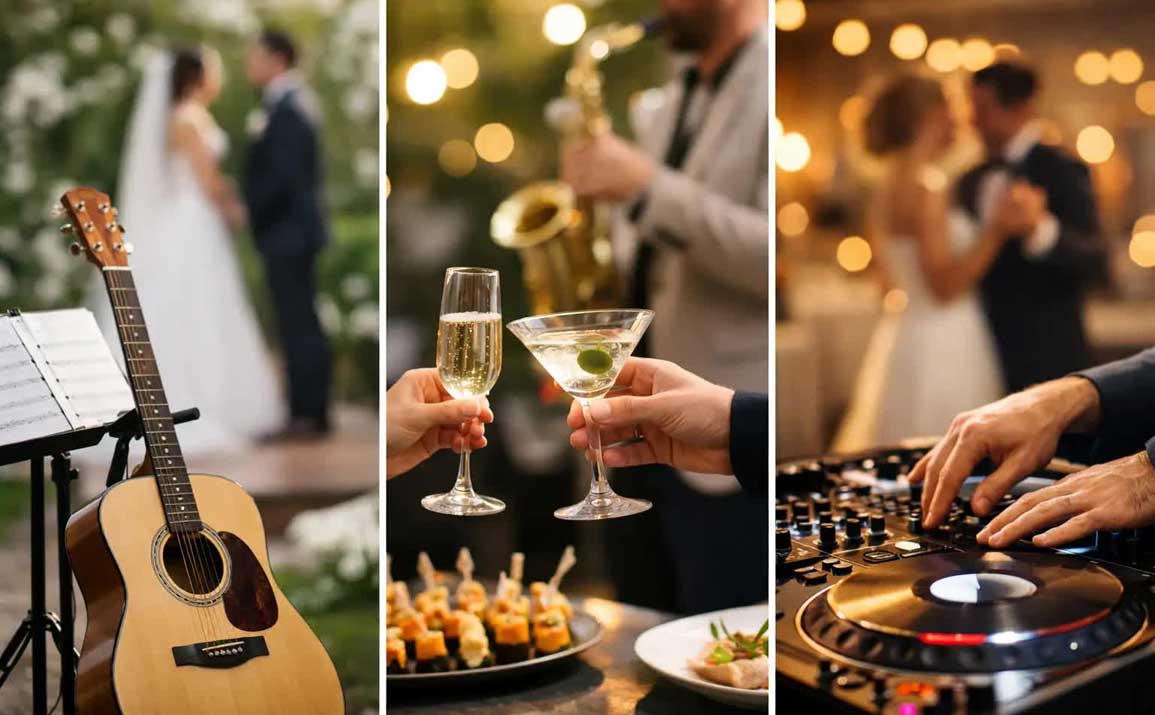
How to Organize Ceremony, Cocktail, Reception Music
The music shouldn’t sound like three different things that you had to get for your wedding, checked off of a to-do list. If you want to organize the music for your wedding in a way that’s beautiful, know that it should be one emotional experience that builds and builds and builds (builds at the ceremony with anticipation, builds at cocktail with sophistication, and then unleashes on the dance floor in a way that’s never forgotten). People won’t just remember that they had a great band; they’ll remember the feeling of the day if those three things are connected.
For those of you planning on getting married and want to have a high-level wedding, one of the biggest indicators that you’ve thought of everything for your big day is who you’ve hired to provide the music! Having the right band or DJ will make the prelude, cocktail hour and reception UNFORGETTABLE!
Start With the Guest Experience, Not a Song List
When selecting your artists and song requests, think about the atmosphere you’re trying to create for your guests from the welcome to the send off. The black tie, ballroom wedding, the coastal destination wedding, and the country estate reception will all benefit from live music but the mood and tone will be different.
Ask yourself a few questions. Do you want a traditional wedding, a romantic wedding, a modern wedding, a dramatic wedding? Will you be doing cocktail hour inside or outside? Will you be doing cocktail hour at a separate location? Do you want a dance party from the time you open the dance floor til close, or will conversation over dinner be more in style? The answers will help determine the right group for you, as well as the size and set times of the group.
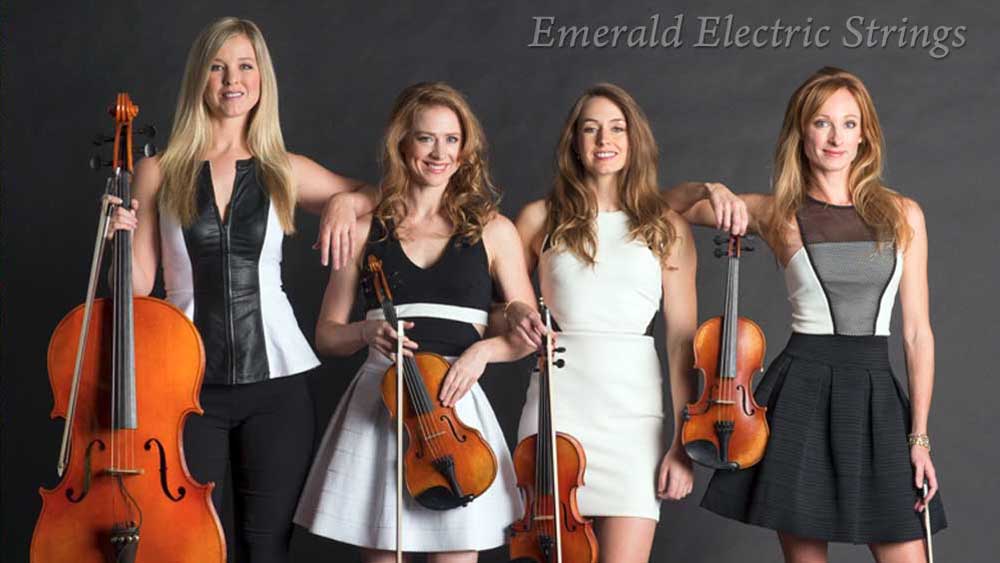
The best approach is one where there’s a difference in the music for each part, but isn’t too disjointed. For example: String Quartet like Emerald Electric Strings for the ceremony (magical), Jazz Trio for cocktails (classy), World renowned dance band for the wedding reception. Or the same band does all three but is very good and uses a combination of instruments to change the feel for the different parts of the day (can be done very well, maybe even better than the above!). Depends on budget, space and number of guests, and how big you want to go!
Build Your Wedding Music Plan Around These Key Decisions
- What do you want each part of the night to feel like for your guests? Have a few words to describe how you want the ceremony to feel, how you want the cocktail hour to feel, how you want dinner to feel, how you want the dance floor to feel (i.e. romantic and cinematic, classy but not stiff, energetic and fun, etc.) This is much more helpful to musicians than a lengthy song list.
- This is probably the most important: Plan the music for EVERY part of the wedding, and in between as well. Music for guests arriving, when everyone is getting seated, processional, recessional, cocktail hour, when you enter the reception, during dinner, speeches, dances, open dancing, last song of the night, when guests are leaving, etc.
- Now you know where you NEED to be specific with songs. It makes sense that you need specific songs for certain parts (processional, recessional, first dance, parent dances) because they’re either cue-based or special to you. For the rest, you can generally just focus on mood and genre.
- Does the music need to be the center of attention or should it be in the background? Music for a processional needs to be the center of attention. Music for cocktail hour needs to be in the background, setting the mood but not drowning out conversation. Music for open dancing needs to draw the attention of the wedding guests.
- The right ensemble for the room – is it a big room or small room? How does it sound in there? How many guests does it need to be heard by? How much stage space is available? How many power points? Is the band/cello/violin/etc playing inside or outside the venue?
- Think about each part of the celebration and how you want the energy to build. It’s a common mistake to have cocktail hour music so loud and intense that dinner music and then the reception music also has to start too intensely causing the guests not to get in the mood for dancing.
- Do you want a one-band multiple format (i.e., one group of musicians performing as a big band, then a jazz combo, then a trio, etc.) or do you want separate bands organized by the same booking agency?
- During the social parts, ask the band to keep the volume low enough to carry on conversation during cocktail hour and dinner. It can be done with the right placement of speakers, and with percussion instruments and band size being as important as genre for volume.
- Write a short document detailing songs you really want to hear, songs you never want to hear, any cultural/familial traditions regarding music, general genre preferences, etc. Many musicians will appreciate having a short brief to work with when putting together their playlist.
- Master Timeline – you need to have one master timeline. This should include cues for when things will happen. Don’t just list a time, but also a cue (i.e. begins at 3:25 pm or when the wedding party comes down the aisle, whichever is appropriate).
- Have one point of contact for real-time edits. Let the planner/producer/bandleader know that they have full control to edit times, run long, get quieter, and generally determine when the next formal part of the wedding needs to begin. The couple should not have to worry about music on the day.
- Have a plan B (and a plan C). Ask about loading in, how long in advance you need to get set up, protection from rain, electrical power, noise curfews or restrictions, how much time you have to switch songs, what you’re going to do if your music doesn’t work, etc.
Organize Ceremony, Cocktail, Reception Music by Mood
It can’t be stressed enough that the ceremony, cocktail hour and reception are all separate events with separate purposes. When planning, it’ll help you to move quicker and have a more polished product if you remember that and work to achieve those separate purposes.
Ceremony Music: Create the Emotional Frame
When it comes to ceremony music, the music that plays during guest seating is incredibly important for setting the mood. This is the time for the fancy strings, the lovely piano, acoustic guitar, harp or a vocalist. You want this music to be soothing and not so loud that it drowns out the conversations of your guests as they are seating and catching up.
Next up, the processional songs. Break these down into two parts: the wedding party and the couple. A lot of couples will go for a soft, recognizable song for the wedding party, and save a song that’s special to the bride/groom/couple, maybe a more personal or cinematic piece. If you’re using a live band, they can often customize the song to make it sound more timeless while using the same melody as a modern song.
Don’t neglect the recessional! That’s the first ‘happy’ song of the day. Pick something upbeat. Everyone’s excited because they just witnessed the vows, and the recessional song is going to be the first song that gets people cheering and pumping the energy of the whole room.
Finally, plan for some music to play after the ceremony while people are filing out or you’re doing family pics and that type of thing. You don’t want the energy to die down too much before cocktail hour, so have a few fun songs planned for that time.
Cocktail hour: Keep the Room Active Naturally
Cocktail hour is not filler time! That time is when your guests are catching up, taking in the beauty of your venue, having a drink, and getting a feel for what the party is going to be like. Having a jazz band, or acoustic band with some soul, or even just a few members of your wedding band in a cocktail setup roaming around can really add class to that hour!
Keep the volume at a social level so that people can converse. This is especially important if you have older family members attending, as this is likely the first time some of the planners and VIPs will meet. During this time it’s also appropriate to play music genres you love, but might not be appropriate for the dance floor (bossa nova, Motown, old swim, Americana, sophisticated pop versions of songs).
If the ceremony/cocktail events are in different areas, make sure you’re clear with musicians on logistics of moving, etc. The quartet for the ceremony may not be the same setup as the cocktail music. The reception band may be doing cocktails and need time to set up/change clothes/sound check/turn a small band into a huge production. It’s the kind of thing that, done right, goes entirely unnoticed. Done wrong (or not at all), it causes issues.
Reception Music: Build Toward the Packed Dance Floor
The reception is really where the elite live wedding bands shine and where reputations are made. The music needs to complement the formal part of the evening before slowly building in intensity and ultimately drawing everyone’s attention to the dance floor.
For getting the guests seated and serving dinner, have a list of classy songs that will help dress the room but won’t interfere with toasts and conversation too much. A good bandleader will know how to work the room and when to take it down a notch. That’s the most important thing. Good live bands know when to play and when to let the room go wild.
Have specific songs in mind for the processional, first dance, dances with your parents, cutting the cake, or anything else that’s traditional in your culture. Send the band a list of songs in advance (and make sure they’ve got the names right and have the right version of the song!) and let them know if you want them to start or end on a certain lyric, transition into something live, etc. The more details, the better!
Once the open dance floor opens up, let them read the crowd. A good band will hit all the generations and genres, not miss a beat. They will go from iconic singalongs to pop to dance to rock to R&B to country to Motown to classic rock to punk to soul. They know a few songs they have to hit, but they won’t stick to a long list. They know how to read a crowd; that’s why you hired professionals.
Incredible Bands that Provide Ceremony, Cocktail, & Reception Dance Music
Now imagine you’re at a concert and you’re in the front row, VIP treatment, all your close friends and loved ones with you. If your ideal wedding reception is more of a concert, then Red Hot Revolution is the only band you need to consider. They are a party band that will have your college friends and Grandpa dancing till the last song!

But their magic doesn’t end there. Let these world-class musicians also set the tone for your wedding with beautifully performed ceremony music, and then some smooth, good feeling music during the cocktail hour to keep your guests feeling great! One great band, one great wedding, and no hassle of working with multiple bands for your wedding! If you want a wedding that feels like a sold out concert, but with soul, then Red Hot Revolution is who you want! Your wedding won’t just sparkle, it will EXPLODE with energy!
Walk down the aisle to a beautiful acoustic wedding ceremony, clink champagne glasses to smooth jazz during the cocktail hour, and then dance the rest of the night away to a packed dance floor. All provided by one band, Modern Retrospect. Modern Retrospect is your one stop band, playing all genres and music from all decades, keeping every generation of your family on the dance floor.
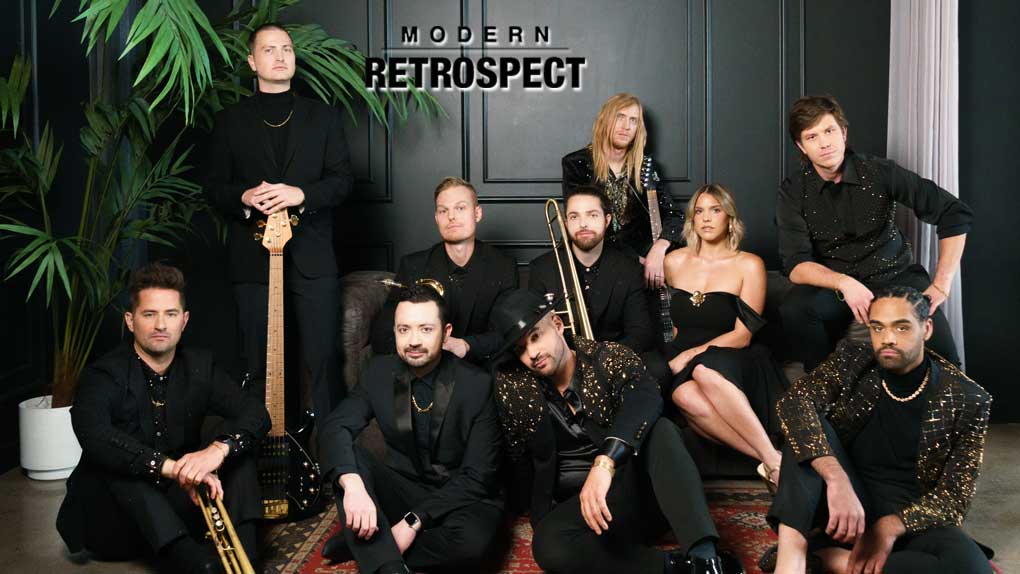
From the first tear during your ceremony, to a sophisticated and upbeat cocktail hour, to the reception where you have a dance floor filled with great retro classics and current hits, Modern Retrospect and their 3-piece horn section will make planning easy and your wedding memorable. Why hire a ceremony duo, a cocktail band and a dance band when you can have one group cover every move on your perfect day? Book them now and give your guests something to talk about for years!
Rhinestone Rodeo will have your boots stompin’ and your heels clickin’ as we turn your wedding reception into a honky tonk, line dance, old country songs mixed with new pop songs, and a little western flare hooray! They’ll bring the razzle-dazzle and the southern charm to your big day!
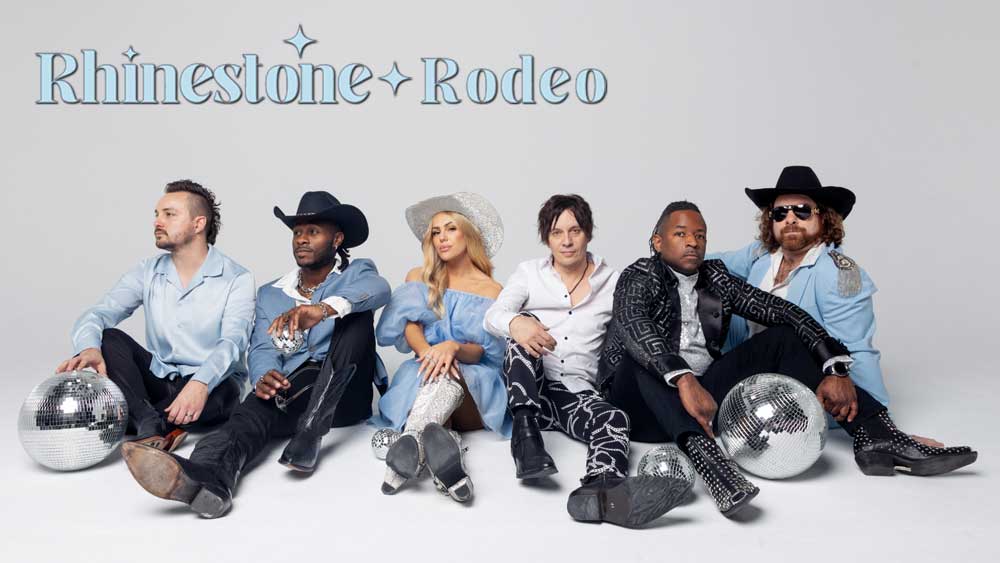
They can make your wedding day special from the very beginning. What’s more touching than an acoustic wedding Ceremony as you say your vows? Or maybe some mellow feel good music to give your cocktail hour a welcoming, down home Southern atmosphere. Two of their members make up the renowned Jewel Tones, so you know they’re good!
With their polished boots and sparkling rhinestones, they don’t just provide the music, they pull you in and get the entire party two-steppin’ throughout your wedding! With Rhinestone Rodeo you get the ceremony, cocktail and reception all in one rootin’, tootin’, package! That means one band, plus all the fun for a wedding as memorable as your love story! So rope’em in before your wedding date rides out of town!
How the Music Should Evolve Throughout the Wedding
| Wedding Moment | Guest-Experience Goal | Suggested Ensembles | Volume & Energy | Timing Notes |
|---|---|---|---|---|
| Guest Arrival & Seating | Welcoming, anticipatory, elegant | Solo harp, pianist, classical strings, guitar duo | Soft background | Begin about 30 minutes before start; never enter a silent space. |
| Processional | Reverent, emotional, building | Strings, harp, piano, vocalist with accompaniment | Gentle but present | Use separate cues for the wedding party and the couple’s entrance. |
| Ceremony Rituals | Sacred, intimate, meaningful | Vocalist, strings, choir, cultural musicians | Featured (guests listening) | Coordinate with officiant; align with readings and traditions. |
| Recessional & Postlude | Joyful, triumphant, released | Ceremony ensemble in an upbeat arrangement | Bright, celebratory | Begin immediately after the final declaration; continue as guests exit. |
| Cocktail Hour | Warm, social, sophisticated | Jazz trio, acoustic duo, Latin trio, roaming musicians | Under conversation | Music should already be playing as the first guests arrive. |
| Reception Entrance | Bold, celebratory, cue-driven | Full band, brass, percussion, or entrance track | High-impact in short bursts | Confirm intro order, pronunciation, and exact song start point. |
| Dinner | Refined, warm, unhurried | Reduced band lineup, piano and vocals, jazz trio, strings | Soft-to-moderate background | Keep energy low; slot toasts into natural lulls. |
| Formal Moments & Dances | Personal, spotlight, emotional | Featured band or vocalist; live renditions shine here | Featured | Confirm song versions, edits, start points, and endings in advance. |
| Open Dancing | High-energy, euphoric, unifying | Full dance band, often with horns and multiple vocalists | Full, driving | Give the bandleader freedom to read the crowd and adjust the set live. |
| Final Song & Send-Off | A satisfying emotional conclusion | Full band, acoustic encore, or send-off musicians | Deliberate final peak or graceful comedown | Decide if the last song is private, shared, or tied to a guest exit. |
Choose One Act or Multiple Ensembles
Having the same group for the entire wedding (or parts of it) means less communication, less coordination, and less hassle. Many of the higher-end dance bands will send just a solo pianist for the ceremony, a duo for the cocktail hour (playing jazz or whatever), and then the full wedding dance band for the wedding proper. This is great if your venue is difficult to load into or you’re on a tight schedule.
One Act, Multiple Ensembles, or a Hybrid Approach
| Consideration | One Act (Full Day) | Multiple Ensembles | Hybrid / Modular |
|---|---|---|---|
| Best suited to | Couples valuing continuity and simpler planning | Couples wanting a distinct musical world for each phase | Couples seeking variety without juggling multiple vendors |
| Main advantages | One contact, consistent direction, easier coordination | Maximum stylistic range and dramatic atmosphere shifts | Combines cohesion with variety; scales from ceremony to reception |
| Limitations | Not every act is equally strong in every format | More contracts, load-ins, and communication gaps | May cost more; personnel can change through the event |
| Continuity between spaces | Strong if the act has enough musicians and equipment | Requires careful handoffs and buffer time | Often strong; transitions are designed centrally |
| Budget | Generally more cost-efficient | Higher overall investment | Typically falls in between, depending on scope |
| Key risk to manage | Choosing convenience over genuine stylistic quality | Fragmenting the experience or leaving silence during transitions | Assuming “one company” guarantees seamless execution |
Having more than one band provides more contrast and a greater sense of progression when each new band starts. Having a string quartet for the ceremony, jazz band for the cocktail party and a dance band (that can take cues to run a good party) for the wedding reception is big time weddings stuff and requires a lot more space and coordination, as well as more $.
The short answer is that it doesn’t have to be one or the other. If you’re having an intimate wedding with one main event area, a versatile band can provide all you’ll need. But if you’re going big time with multiple event areas, a succession of specialist acts really can make things spectacular.
Build a Timeline Your Musicians Can Actually Execute
When you’re planning your music entertainment, do so in concert with the ceremony planner, venue and photographer. Don’t just give them a ceremony start time and be done with it. Musicians need to know when to arrive, where to park, where to plug in, what to do in case of rain, size of stage, etc.
If you’re outdoors, take care of people and gear. Shade, grounded electrical power, a level stage/performance area, and a plan for rain are not sexy, but they’ll protect your performance. If your band for the reception has enhanced lights, video screens, bigger sound, etc., ask about limitations at your venue before you lock in your vision.
Leave lots of time between the ceremony and the reception, especially if the artists will be moving locations or if they’ll be transitioning from a smaller set up to a larger set up. When artists are forced to rush, either the sound check will suffer, or getting changed will suffer, or the energy at the start of the reception will suffer. When you build time into your timeline, the artists can go out and put on a show!
Give Your Band Direction Without Over-Directing
Supply your band with music for the processional, recessional, first dance, parent dances (if you will have those) and a list of some of your favorite songs. More importantly, send them a VERY short list of absolute do-not-play songs. And most importantly, tell them about your crowd. Do you have a bunch of friends who’ll want to dance before dinner? Do your parents want classic soul and Motown? Is half your family going to want country? Is it a multi-cultural wedding?
This is much better than programming a DJ. Professional entertainers will take all these things into consideration and will be able to come up with a set list that’s personalized but also dynamic based on reading the crowd. Wedding Music Bands can match you with an act that has the range and polish to nail it based on what’s important to you.
The best advice is to simply play music that makes you want to celebrate the transition from each part of your wedding! If you can do that, have a heart-filled ceremony, a stylish cocktail hour, and an electric reception, you’ll have the wedding of a lifetime that no one will want to end!
Frequently Asked Questions
Should you get one band to play for the whole wedding? Or is it better to get different bands for different parts of the wedding (i.e. one for the ceremony, one for the reception)?
Neither is better. One act has better continuity, less handoff, and is easier to plan (if they can actually play ceremony strings, acoustic cocktail, and dance band). Two bands are better if you want specialized bands for each part of your wedding, but it makes coordination harder. A popular model in elevated weddings is to have one group for ceremony and cocktails, then a dance band for the reception. When you’re doing either, make sure you know who’s playing when, and how they transition (who’s playing during the transition?).
How in-depth do you want to get with the wedding music?
Some people only have 4 or 5 important songs for the wedding (processional, recessional, first dance, general ceremony music, general reception music) and some people have a play-by-play for every second of the wedding and everything that should be playing at each step.
Make things detailed enough so the wedding couple doesn’t need to make any decisions on the day. This includes music start and end times for each part of the wedding, set up and sound check time, order and processional music for entrances, names and pronunciations of people being introduced, which version of each song you plan to play, when the band will be taking breaks, moving rooms, curfew at the venue, etc. Give time-based cues, but also action-based cues. “First dance at 8:15 p.m.” is nice, but “start when the couple is in the center of the dance floor” is better if dinner runs long.
Song requests: How many does the band need or want?
The best way to do this is to give the band a general idea of your taste without micromanaging their ability to read the crowd. A good amount of detail would be: a short list of must-haves, a clear and also short list of things the band should never play, specific songs for the ceremony dances, some general favorite artists/genre, and anything that’s culturally significant. Generally, for non-ceremony time, the more general the better. And if there’s a specific version of a song you want, send that exact version.
How do we keep cocktail hour and dinner music from being too loud?
Volume is a production problem, not a “play quietly” issue. Talk to the musicians/venue about acoustics of the room, number of musicians, drum kit, amplifiers – there are ways to get a good full sound at a lower volume (fewer musicians, brushes on drums, brass playing softly, speakers around room etc). Seat the older folks and people with hearing issues further from the band and make sure people know who they can tell if they want to make an adjustment on the spot without having to go to the couple.
What is our indoor/ outdoor/ different location plan?
There needs to be continuity and a plan B for every move. How much time does it take to move and transfer equipment? Are two sound systems necessary? Which band plays while the other is moving? Is there viable access to electric? Is every band, at every location, protected from the weather (sun, rain, wind and humidity)? A tree or umbrella or a small decorative canopy are not adequate protection for musical instruments or electric. Are there noise restrictions? Time restrictions? Make sure the music is already playing at the next location before the guests get there. Make every detail seamless.
