
How to Build a Wedding Playlist That Gets People on the Dance Floor
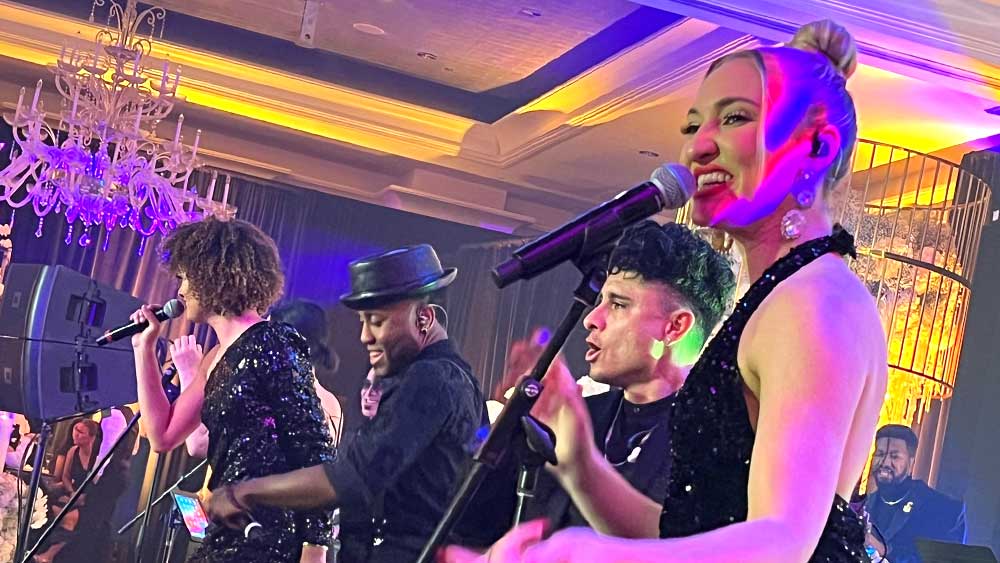
A wedding playlist isn’t just ambient noise. It’s the soundtrack that sets the tone for your big day: the song that gets your heart racing as you walk down the aisle; the grooves that make your cocktail hour memorable; the throwback hits that have all ages on the dance floor. Learning how to build a wedding playlist is about making sure the music keeps moving forward, rather than just playing your personal favorites.
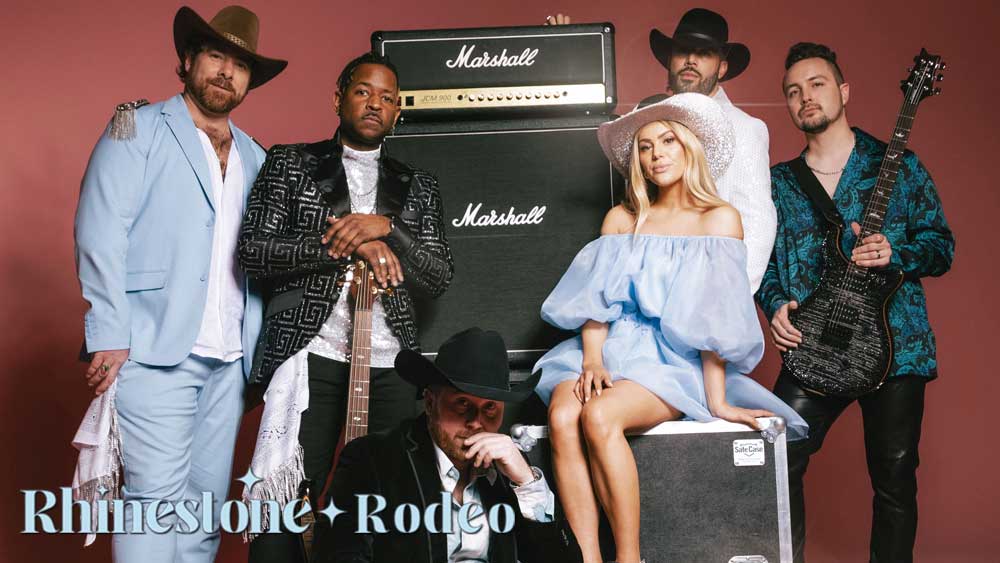
The most successful receptions don’t feel like a band is merely filling in the space between the speeches and toasts. The music has a flow and purpose. People might not recall every floral arrangement, but they’ll remember when Rhinestone Rodeo starts up their opening number and the dance floor fills with happy revelers. One word of caution: let the band decide on the playlist. Don’t micromanage their set! Let them do what they do best, and provide you and your guests with the night of musical bliss you’re dreaming of.
Begin By Defining the Guest Experience
What do you want your guests to feel? A formal ballroom affair, a destination wedding on the beach, a raucous country-fried backyard party? These all require different vibes. What’s your taste? What will your guests feel comfortable listening to?
Visualize the end of your reception. Are people belting out pop and rock hits? Or are they dancing to Motown, disco and current R&B? Are you going for a country two-step, a Latin beat or a more mellow jazz/swing vibe? Think about that image when creating your playlist. This is also where you want to differentiate between what music you like to listen to and what music will keep a party going.
You can have a few of your favorite obscure tracks, but the bulk of the music at your reception should be songs that everyone knows and enjoys.
How to Build a Wedding Playlist Step By Step
Your wedding playlist should follow the flow of the day, building from a cocktail hour vibe to a full-on dance party rather than sounding like one song from each decade played at random. Plan your playlist by section, deciding what you’d like each section to evoke.
- Guests arriving / ceremony: Choose something sophisticated and warm, pleasant but not too distracting.
- Cocktail hour: Up the energy level with jazz, soul, acoustic pop, or instrumental lounge tunes set the tone for a party.
- Dinner: Keep things light and upbeat. Go for the classics, throwbacks, and songs that don’t interrupt conversation.
- Dancing: Move into popular dance tracks that’ll get folks out of their seats.
- Final dance: Close out the night with a fun, catchy anthem that people won’t be able to resist singing along to.
Wedding Music by Moment: What to Play and When
| Wedding Moment | What the Music Should Do | Playlist Target | Strong Song Choices |
|---|---|---|---|
| Guest arrival / ceremony prelude | Set the tone while guests are seated | 20–30 minutes | Instrumentals, acoustic covers, classical, soft jazz |
| Processional & recessional | Emotional entrance and joyful release | 2–4 songs | Cinematic songs, romantic ballads, celebratory pop or soul |
| Cocktail hour | Keep the mood lively but conversational | 45–90 minutes | Jazz, soul, acoustic pop, bossa nova, Motown, mellow funk |
| Dinner | Add warmth without competing with conversation | 60–90 minutes | Familiar mid-tempo songs, romantic classics, soft pop, standards |
| Dance floor opener | Get the widest group onto the floor quickly | First 3–5 songs | Cross-generational hits, funk, disco, Motown, pop anthems |
| Peak dancing | Sustain momentum and respond to the crowd | 15–20 songs per hour | Rotating mini-sets: pop, hip-hop, R&B, dance, Latin, rock, throwbacks |
| Finale / last dance | Give the night a satisfying emotional finish | 1–3 songs | Group singalong, romantic closer, euphoric anthem, send-off song |
Another mistake we see quite often is the scheduling of dance floor music during dinner time. Having a huge party during a quiet dinner? No thank you. You’ve already burned through the good stuff before anyone is even prepared to dance.
Choose Ceremony Music That Evokes Emotion
When selecting ceremony music, forget about what’s currently trending. Think instead about what you want to feel as you walk down the aisle. The music must have a tempo appropriate for walking, and you should feel a surge of happy emotions at the end of the processional and beginning of the recessional. Choose instrumental strings or piano, acoustic guitar, or a rendition of a contemporary piece, depending on your aesthetic.
The ceremony music can be traditional but the music doesn’t have to be. Today’s string quartet playing a love song will likely be considered just as traditional 50 years from now. Just ensure you pick something you’ll still enjoy in the future.
Cocktail Hour Should Feel Like an Upgrade
This is the first time your guests will get a break to mingle and take in your gorgeous surroundings. So treat it to some love.
A jazz combo, guitarist, quartet or a playlist of soul and lounge standards will transform cocktail hour into one of the most refined portions of the day.
Make sure to keep the music on the lower side so that your guests can catch up with friends, make their way to the bar, and listen without turning up the volume. You’ll still have plenty of opportunity to turn it up to 11 once dinner and dancing get underway.
Dinner Music Needs to Keep the Energy Level Up
A smooth combination of old school soul, smooth funk, familiar pop songs, and classic standards creates a cozy atmosphere and encourages conversation. Start to weave in more upbeat songs as dinner nears its end, which will be a subtle cue that the party is starting.
If there are dinner formalities such as grand entrances, toasts, parent dances, cake cutting, or cultural traditions, plan your music playlist around those events. Leave time for moments like these to take place. A professional DJ or band can help manage these transitions to avoid having long awkward pauses in between.
Create a Dance Floor That Appeals to Everyone
The strongest wedding dance floors are set up with dynamic, experienced wedding dance bands, and they work because they appeal to all guests by playing a variety of music at the right times. The older generation might respond to Motown, while baby boomers respond to classic rock. And the younger generation is ready for 2000s pop, hip hop, and modern pop.
Reading the Room: Genres by Generation
| Guest Group | Era They Grew Up Dancing To | Reliable Genres | Sample Floor-Fillers |
|---|---|---|---|
| Grandparents (70s+) | 1950s–60s | Big band, early rock ‘n’ roll, Motown | Frank Sinatra, Chuck Berry, The Supremes |
| Parents / older relatives (50s–60s) | 1970s–80s | Disco, classic rock, soul, funk | ABBA, Earth Wind & Fire, Journey |
| Core adult crowd (35–50) | 1990s–2000s | Hip-hop, pop, R&B, dance | OutKast, Whitney Houston, early 2000s pop |
| Young adults (20–34) | 2010s–now | Current pop, throwback remixes, dance-pop | Contemporary chart hits, viral dance tracks |
| Kids | — | Upbeat, clean pop and novelty | Family-friendly sing-alongs |
That doesn’t mean you should spend an equal amount of time on each genre; it just means that you have to progress through all of them.
Start with songs that are celebratory and get people onto the dance floor. Then pay attention to what your audience reacts most enthusiastically to. If they love disco, play more disco. If they sing along to the country music, play it for several songs before moving on. But don’t put three songs in a row of the same tempo. You want to mix things up to build energy and excitement.
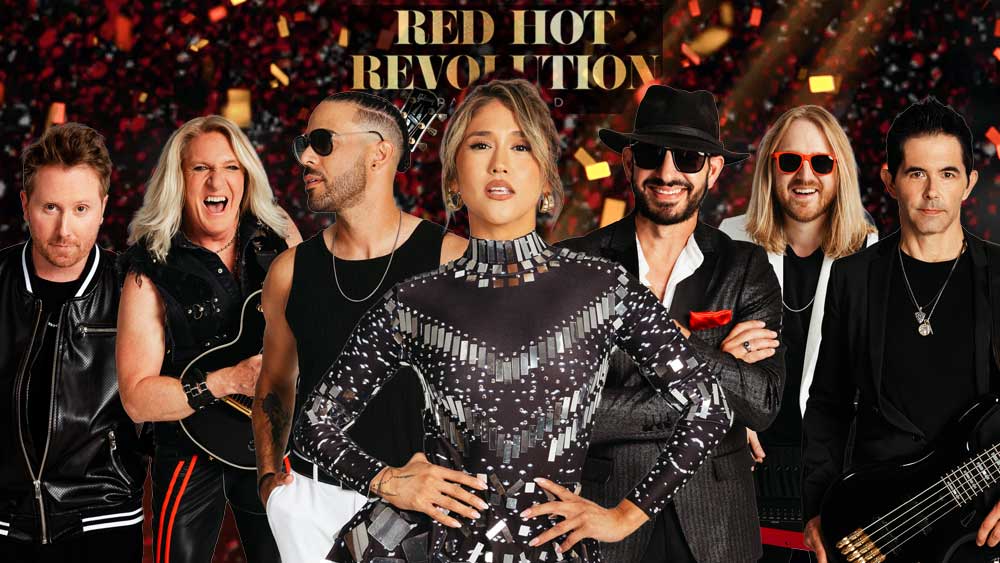
Red Hot Revolution as a live band is able to gauge the audience and adjust accordingly. They can keep playing something longer if the crowd is loving it, change if they aren’t, and provide transitions that a pre-planned playlist would not account for.
Your Wedding Playlist Checklist
- Start with your non-negotiable songs: processional, recessional, walk-up song, first dance, parent dances, first dance floor song and final song.
- Keep romantic, dinner and ceremony songs separate from your party playlist. Some beautiful songs just aren’t great for dancing! Save those for when it matters most.
- Structure your playlist by “era” rather than a haphazard shuffle.
- Keep it diverse: include classic Motown/soul, disco/funk, ’80s pop/rock, ’90s/2000s throwbacks, current pop, and any other music that’s special to you and your family.
- Use well-known songs for your opening dance floor songs, saving the obscure ones for later when your guests will be more comfortable.
- Group your songs by era or feel, playing a few songs together, then moving on.
- Ask friends, parents and members of your bridal/wedding party if there are any songs they’d like included in your wedding playlist.
- Specify the version of the song you want: acoustic, clean, remix, original, radio edit.
- Give your DJ or band lots of freedom to read the room.
- Consider how you want to end your reception: a sweet slow dance, a group sing-along or a big finale?
Create a Must-Play List and a Do-Not-Play List
You can guide your entertainment team, just not in too much detail. A list of five or six songs is usually enough to let the band know your preferences and save your faves for special occasions. Include the first dance, the parent dances, the private last dance (if you’re having one), and two other non-negotiable tunes.
Your do-not-play list should also be brief, maybe three to five songs. Maybe there’s a song you never want to hear again because it’s a breakup song, a line dance that has been overplayed, a song with dirty lyrics, or a song by an artist that isn’t really your vibe. Be clear about what’s a “no,” but keep your list short enough that your band can still read the crowd. In fact, some of the best live bands will refuse your wedding if you have so many requests that they can’t add to the setlist. The band will figure out what does and doesn’t work based on their past experience, so let them do their job!
If you’re going with premium live entertainment, ask if your favorite songs should be played by the whole band, acoustically by one or two musicians, or with backing tracks. Sometimes the full band sounds more powerful than one or two people. Sometimes a song only works when the production of the original track is heard.
But When Does a Live Band Make a Difference?
A DJ might be able to create the vibe, but when a top-flight band like Party Echelon is playing, it’s boosted to another level entirely. And it’s not just the sound. It’s the presentation, the professional vocalists, the choreography, the way they interact with the audience, the pacing through the evening.

If you want a band, tell them who your favorites are, what styles you’d like to hear, what songs are significant to both of you, what age groups will be in attendance. A good band will work within those parameters to create a custom playlist that will get your guests out on the dance floor.
With Wedding Music Bands, we’ll connect you with some of the finest party bands anywhere, ready to perform from your ceremony to your last dance. That sort of talent deserves to be reserved for the most elegant of weddings. Your music will be unique; the delivery will be flawless.
Embrace the Unplanned
Your playlist shouldn’t be so tightly created that you don’t have any room to improvise. The best song for the moment may not be one that you thought of beforehand. It’s common for a band to get an incredible reaction to a song and decide to linger in that part of the song a bit longer. You may see 3 generations of family members singing the chorus of your song together and realize that you really need to make sure they get to hear the whole thing. This isn’t about control. This is about providing your entertainment team with a creative brief (emphasis on brief) and trusting them to curate the vibe in the room. Build your playlist based on what you want to remember, choose songs that draw people in and make sure that the biggest moments get their moment to shine.
Frequently Asked Questions about Playlists
How many songs do I have to provide my DJ/band?
If you hire a professional, you really only have to provide input on a few songs. Give them a tight list: a top 5-6 must-play list, a wide play-if-we-can list, and a no-play list that is quite small. This gives them a sense of what you want to hear but also gives them room to work with your vision.
How do we make the playlist feel like us and not lose the dance floor?
Include your personal songs in parts of the evening where guests are actually listening, ceremony, cocktail hour, dinner, first dance, send off. When it comes to open dancing, give your band a few of your favorites. As a general rule, for every one deep-cut/niche song, you should surround it with multiple crowd-pleasers that they know well.
What goes on our do not play list?
Include a tiny list of songs that really bug you if they come on, specific songs/artists, explicit songs, overplayed wedding hits, line dances, or a song tied to an ex. Make sure it’s a small list, as it can bring the whole party down. It’s much easier to follow specific instructions than a long list.
The dance floor is starting to thin out. What do we do?
This usually only happens when the bride and groom micromanage a song list, but this is normal, people are getting drinks, eating dessert, cooling off. A skilled/experienced DJ or band knows how to reset the room with a guaranteed dance song, throwback dance song, or group dance. You can also try some simple things, turn the lights down, encourage people to move away from the bar, and get yourself back on the dance floor. If you are dancing, your guests will follow.
